I write things. Sometimes, people even read them...
5952 stories
·
14 followers

49 Memes That Capture The Unexpected Side Of Being In Your 30s

1 Comment

As a 30-year-old, it seems that adulting has never been this hard before. And I'm not alone in feeling that way. A recent survey by Talker Researcher revealed that people are feeling burnt out earlier in their lives than ever before. Around 25% of people say they're burnt even before they've reached their 30s.

Although hitting 30 is not that bad, it comes with its own challenges and nuances. The page "30 and tired" puts a funny twist on the everyday struggles of young Millennials, really demonstrating why us 30-somethings are so tired. So, get ready to be called out and face some relatable memes, Pandas, as you scroll down these pics about what it really means to be in your 30s today.

Bored Panda got in touch with the creator of "30 and Tired", Tyler Mann. He kindly agreed to have a chat with us about what's new in the 30-something meme business. Read our conversation with him below!

More info: Instagram | TikTok | Facebook | YouTube

Click here & follow us for more lists, facts, and stories.

#1
© Photo: BigHomieTaps

#2
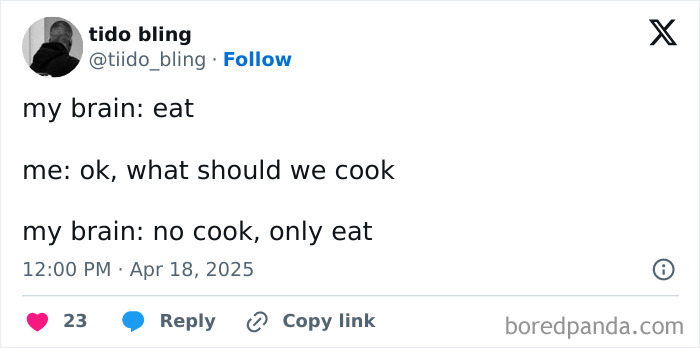
© Photo: tiido_bling

#3

© Photo: RJSzczerba

Tyler thinks that "30 and Tired" at first really resonated with people because of the circumstances. "So many of us were at home just consuming content in 2020 because there wasn't much else to do," he says. "You see a lot of pages and content creators that got their start in 2020, and to me, looking back, it almost felt like the gold rush of social media."

However, there was a point where Tyler felt that the page became bigger than he expected. "Late 2023, early 2024 was a rough few months for my family," the creator shares. "I neglected the page a lot and could see the fall off of followers and engagement."

#4
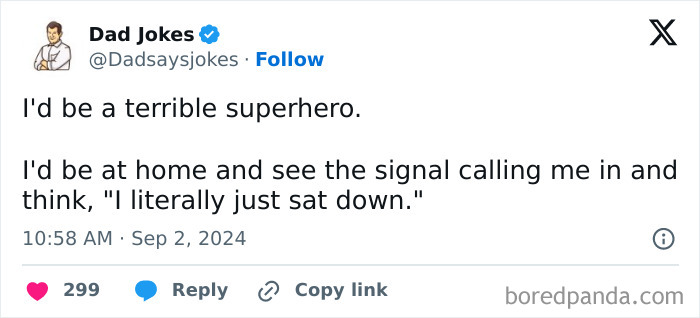
© Photo: Dadsaysjokes

#5

© Photo: 30.and.tired

#6

© Photo: 30.and.tired

"In April of 2024 though, I decided to really put the work in to turn the page around because at that point I had close to 400k followers and I really felt like I was letting those people down," Tyler admits. "So, I went all in with my page. Posting consistently, introducing videos, and engaging more than I ever had before and now I can see the results of it.

That's when Tyler started getting in front of the camera himself and making sketches. He says it was difficult at first since he wasn't used to being the center of attention. 'But I knew if I wanted to 'level up' my page, I had to do something a lot of meme pages haven't done, which is give it a face. "

#7
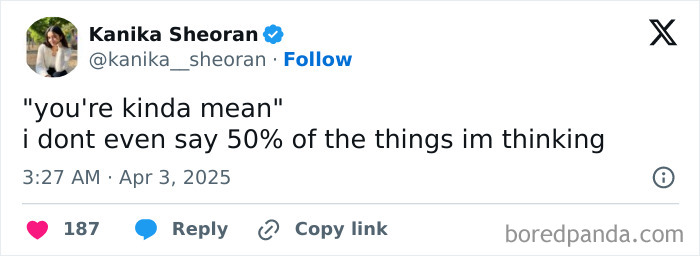
© Photo: kanika__sheoran

#8
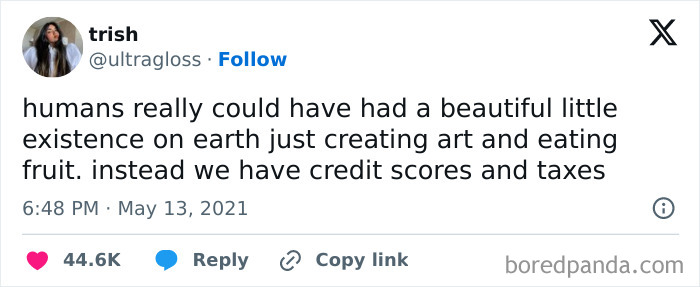
© Photo: ultragloss

#9

© Photo: wydturn

"Doing this has helped me realize that content creation is my passion and it's what I will be doing going forward," Tyler says. "Whether it's memes or funny relatable videos, it all gives me a chance to accomplish the one goal I had when starting, which is to make people laugh."

#10

© Photo: 30.and.tired

#11

© Photo: 30.and.tired

#12

© Photo: 30.and.tired

They say that wisdom comes with age, so, we asked Tyler to share a nugget that he'd tell his own former self. "If I could tell my younger self anything, it would be to get out of my own way," he says. "The biggest obstacle you will have is yourself."

"Your fear of judgment, failure, and not being good enough, are all lies you will tell yourself to stay comfortable. Get uncomfortable and go for it dude, but be consistent and show up every day for your passion. Also, being weird is cool, so don't ever try to fit in," the creator adds.

#13

© Photo: 30.and.tired

#14
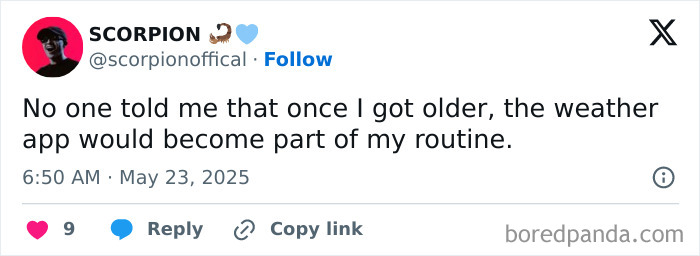
© Photo: User

#15

© Photo: 30.and.tired

Tyler is thankful to his followers across all social media platforms. "Whether you're a day one @30.and.tired follower or it's your first day following any of my pages, I appreciate all of you," he takes this chance to show them gratitude.

"You gave me the confidence I needed to discover my passion and to not be afraid of it. I will continue to show up for you all and hopefully make you laugh when you need it the most."

#16
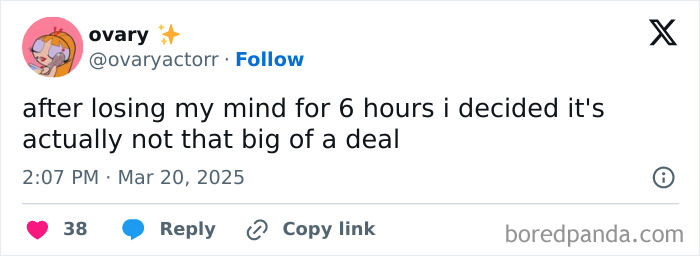
© Photo: User

#17
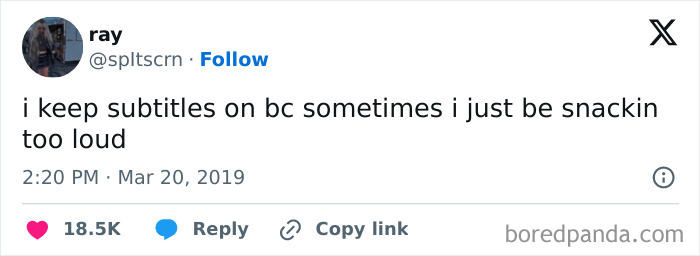
© Photo: User

#18

© Photo: 30.and.tired

While it's definitely true that all 30-somethings have similar existential conundrums, Millennials today really are having a harder time than the previous generations, especially in the U.S. For example, a 2021 study found that Millennials and Gen X aren't doing as well as Boomers did at the same age in terms of home ownership, debt, and retirement planning.

#19

© Photo: 30.and.tired

#20
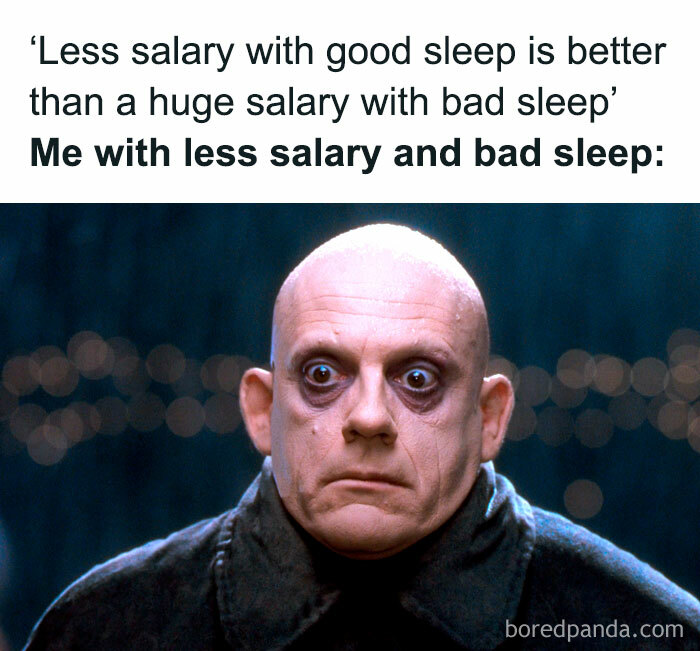
© Photo: 30.and.tired

#21

© Photo: 30.and.tired

Experts say that the most obvious contributing factor to Millennials struggling so much financially is student debt. Boomers, for example, owned homes or had retirement plans mid-career (ages 39 to 54). Gen X and Millennials weren't able to due to crippling student debt.

#22

© Photo: 30.and.tired

#23

© Photo: 30.and.tired

#24
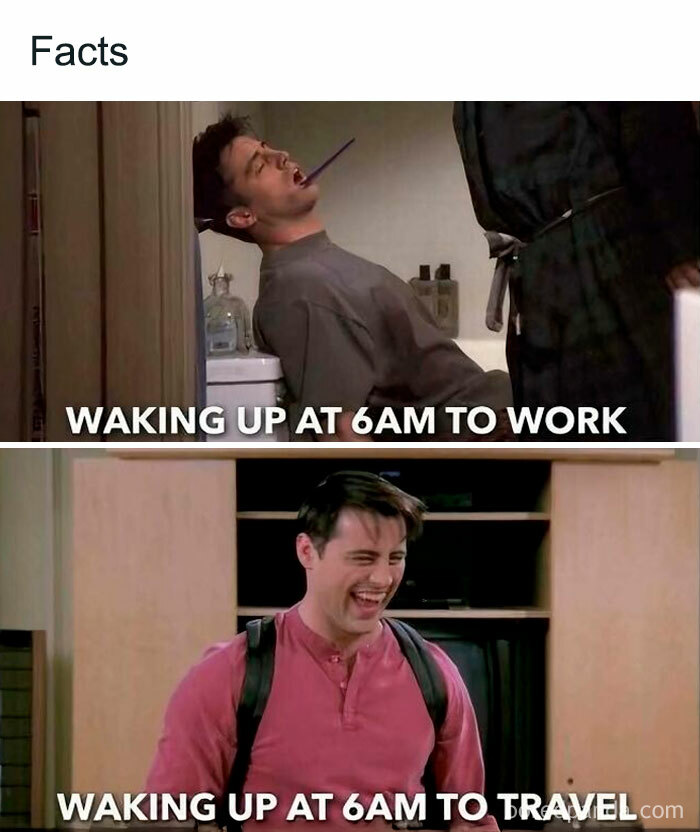
© Photo: 30.and.tired

But finances aren't the only area where people in their 30s are struggling. Our 30s is the time when we start digging deeper into ourselves and try to improve ourselves. Licensed psychotherapist Annie Wright, LMFT, points out that cracks in our emotional foundations start to show more once we're in our 30s and 40s.

#25

© Photo: 30.and.tired

#26

© Photo: 30.and.tired

#27
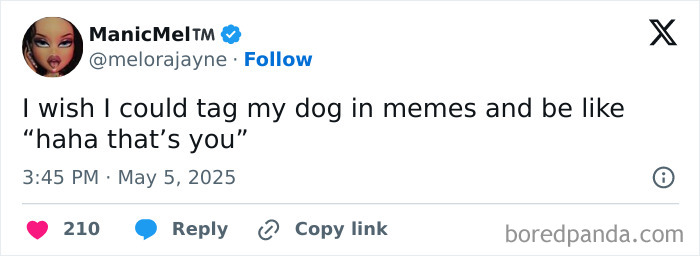
© Photo: melorajayne

People who might have a relational trauma background might have maladaptive behaviors regarding vulnerability, fear, or loneliness. Some might be unable to emotionally regulate themselves or express feelings in healthy ways. Others might struggle with anxious or avoidant attachment styles.

#28
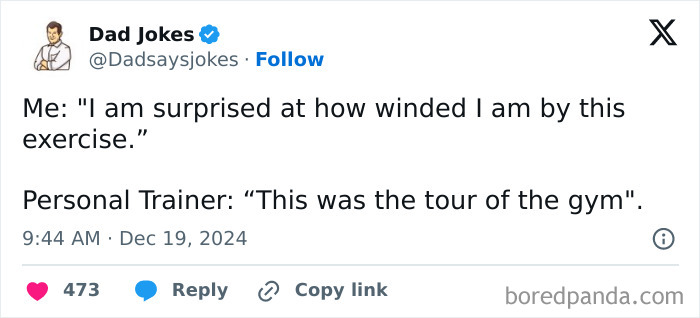
© Photo: Dadsaysjokes

#29

© Photo: FashionNova

#30
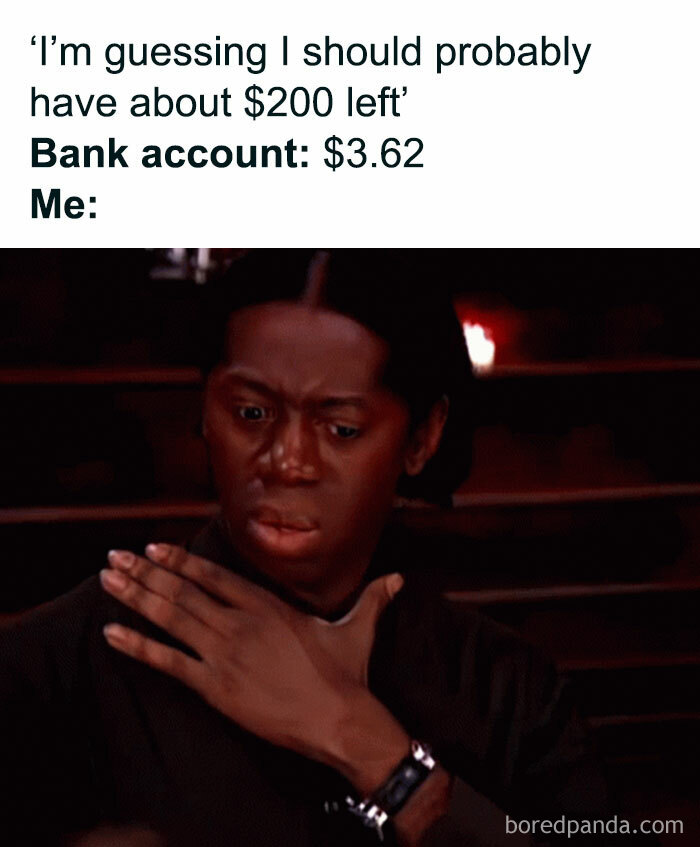
© Photo: 30.and.tired

Our 30s can be a tiring and challenging time. But it's also the period when we're not so much concerned with what others think of us and we start making life choices for ourselves and ourselves only. So, fellow 30-somethings, pick up that hobby you've been dreaming about since childhood, heal your inner child, and check out our previous posts about "30 and Tired" here and here!

#31
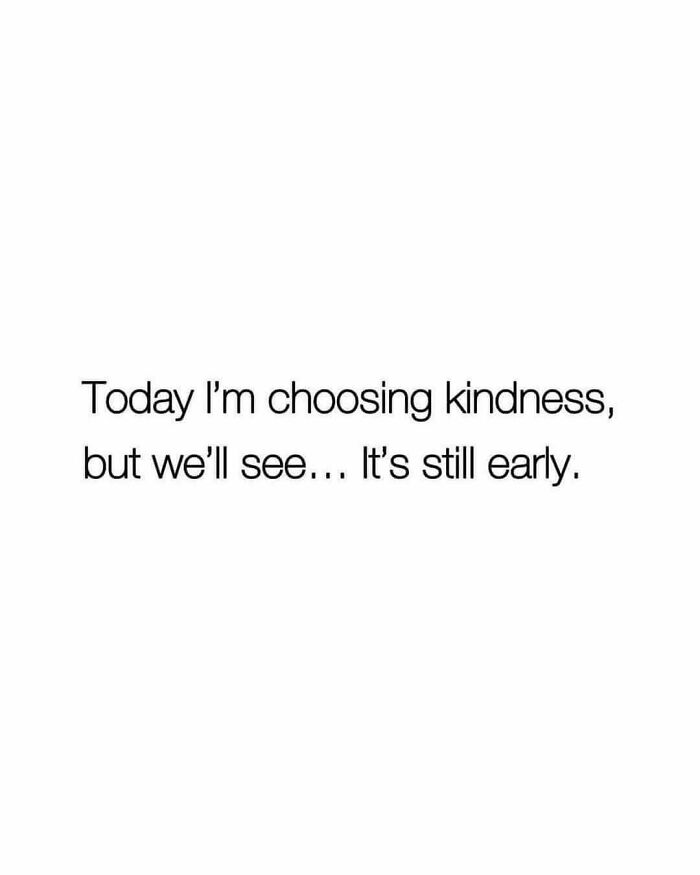
© Photo: 30.and.tired

#32
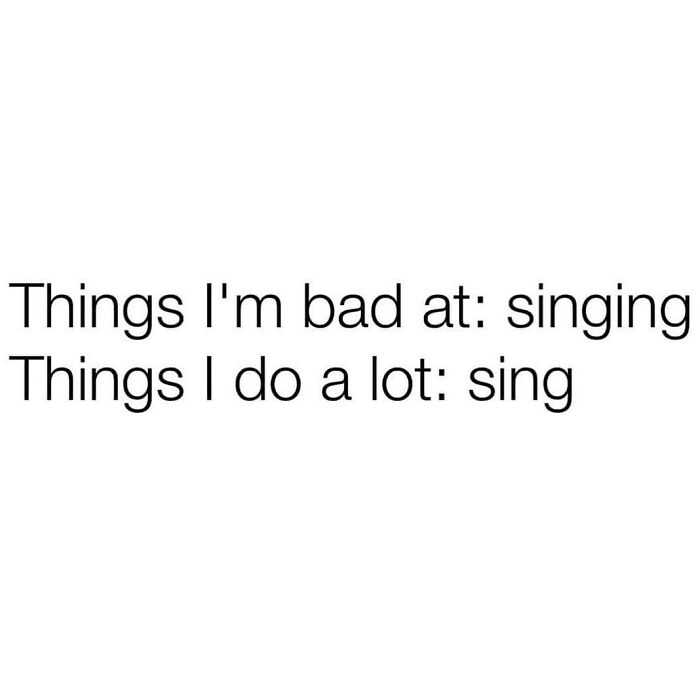
© Photo: 30.and.tired

#33

© Photo: 97Vercetti

#34
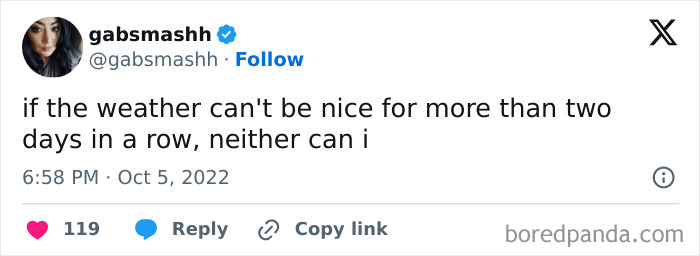
© Photo: gabsmashh

#35
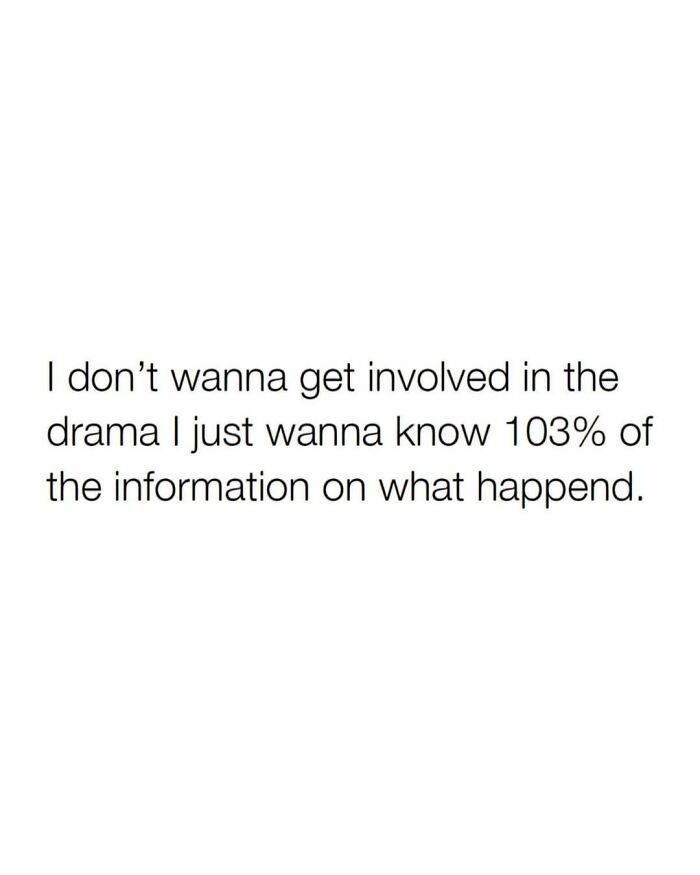
© Photo: 30.and.tired

#36
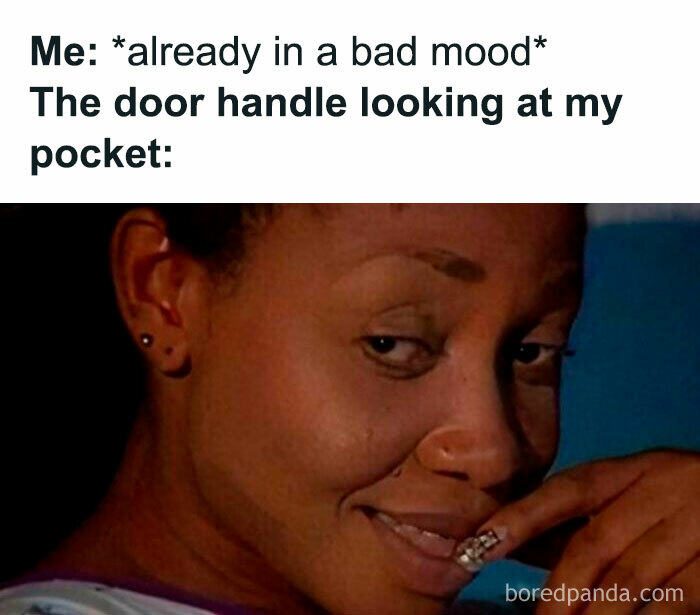
© Photo: 30.and.tired

#37
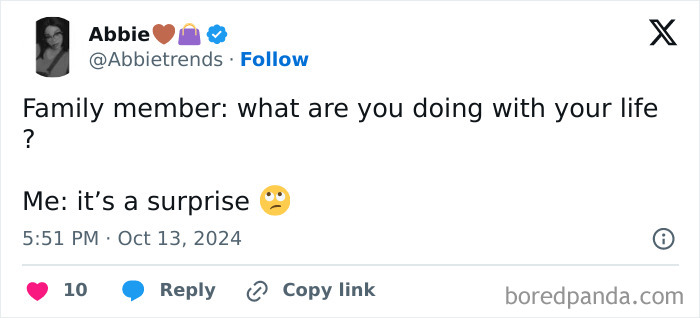
© Photo: Abbietrends

#38

© Photo: 30.and.tired

#39

© Photo: 30.and.tired

#40
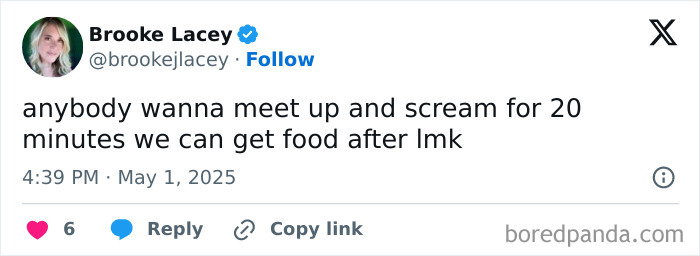
© Photo: brookejlacey

#41

© Photo: 30.and.tired

#42

© Photo: 30.and.tired

#43

© Photo: layxsnv

#44

© Photo: 30.and.tired

#45

© Photo: 30.and.tired

#46

© Photo: 30.and.tired

#47
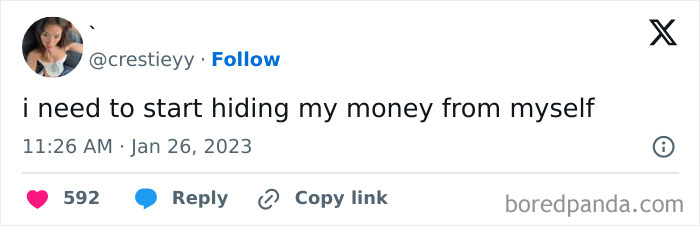
© Photo: crestieyy

#48

© Photo: 30.and.tired

#49

© Photo: 30.and.tired

You might also like: 43 absurdly funny memes shared online that make little sense



Read the whole story
zippy72
10 hours ago
reply
I'm in my 50s and all of these are still true
FourSquare, qv
Share this story
Delete

Apple's WebKit performance tax leaves iOS browsers stuck in the slow lane, says Microsoft

1 Comment
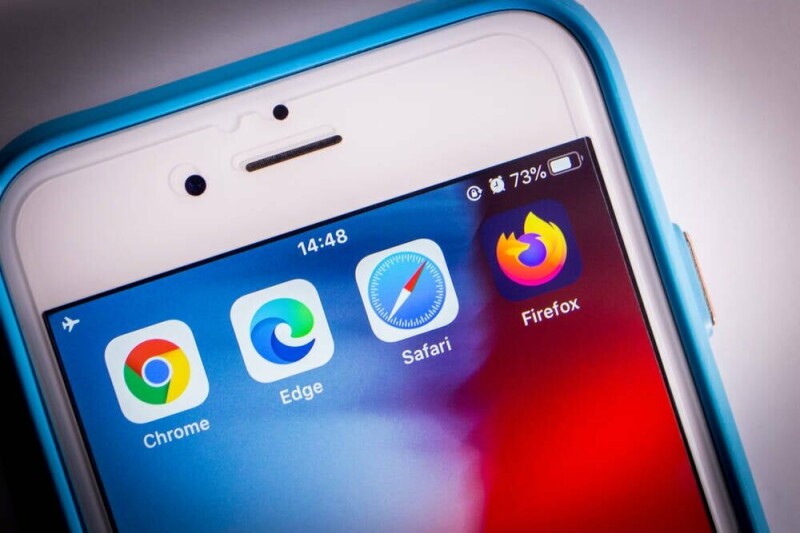
Critics and competitors have long complained about the "Apple Tax" – the sales commission developers are obliged to pay on App Store sales and in-app purchases. Now Microsoft engineers have documented a performance tax – the performance hit that iOS users today endure because Apple requires iOS browsers, with theoretical exceptions, to use the WebKit browser engine that powers Safari. The performance tax comes to 28.6 percent, almost as much as Apple's 30 percent commission rate. Browser rendering engines handle the heavy lifting for web browsers. "They determine how web standards are implemented, how security and privacy protections are enforced, and which actors ultimately shape the evolution of the web," as Mozilla recently explained. Just three major engines dominate commercial deployments: Blink, the foundation of Chrome and its Chromium-based siblings Edge, Vivaldi, Brave, and Opera, among others; WebKit, the foundation of Safari; and Gecko, the foundation of Firefox. Firefox holds about 2 percent of the global browser market share, according to StatCounter. That helps explain Mozilla's concern that the lack of browser engine diversity, a consequence of the market power of Google and Apple, threatens the open web. According to DigitalApplied, Safari owns 23.4 percent of mobile browsing on iOS globally and 51.2 percent of mobile browsing in North America. But due to Apple's platform rules, every browser that runs on iOS is WebKit-based, so there are few opportunities for competitive differentiation outside of interface elements. Browser rivals, advocacy groups, and web developers have argued that Apple should relax its platform rules and improve its web technology for years. Europe's Digital Markets Act (DMA), plus regulatory action in Japan and elsewhere, have amplified hope that Apple will allow more competition on its mobile OS. The latest such investigation comes from the Italian Competition Authority. Microsoft has now highlighted the cost of the iOS browser engine monoculture – time lost to Safari's slowness. On Monday, Kyle Pflug, group product manager for the Microsoft Edge Web Platform, published benchmark test results using Apple's Speedometer 3.1 and other test tools that show how a Chromium-based iOS browser using the open source Blink rendering engine compares to Apple's Safari browser, which relies on the open source WebKit rendering engine. Edge is a Chromium-based browser, and if it were implemented for iOS using BrowserEngineKit, a framework Apple introduced in March 2024 to comply with Europe's Digital Markets Act (DMA), it would score 28.6 percent better (49.27 vs 38.3 on Speedometer 3.1) than Apple's Safari browser under iOS 26.5.1. It would also outperform Safari on the JetStream 3 benchmark (JavaScript and Wasm performance) by 13.1 percent (306.35 vs 270.9) and on the MotionMark 1.3.1 benchmark (graphics rendering) by 2.1 percent (4,773.52 vs 4,673.68). "To be clear, this is a research prototype, not a product announcement; and these are preliminary numbers from my own device, not lab results," said Pflug. "But it does prove out the opportunity to close real capability gaps and deliver new competition on performance." Rick Byers, principal Chrome engineer at Google, took note of the results. "Given how Chromium and WebKit are always vying for the top spot in Speedometer on macOS, it's really striking how big the gap is on iOS!" he said in response to Pflug's post. "And we haven't even really tried to optimize performance for that platform yet! IMHO this is what you should expect to see when there's a lack of competition!" Apple did not immediately respond to a request for comment. The EU has enforced competition through browser selection screens, with some success. In theory, the bloc's rules should promote browser engine competition on iOS. The DMA allows EU-based developers to build browsers with rendering engines other than WebKit. Since March 2024, Apple has provided tools to do so. Yet more than two years later, no browser maker has launched an alternative browser. As Microsoft has done with Edge, Google and Mozilla have prototyped Blink and Gecko-based versions of their respective browsers for iOS. But no such browser has been released. That may be because building a new browser means scaling considerable technical hurdles that Apple hasn't rushed to lower, such as BrowserEngineKit bugs. Browser makers therefore consider the Apple rule compliance process too onerous. For example, if Microsoft were to release a Blink-based version of Edge on iOS, it would have to be a separate app from the WebKit-based version of Edge – leaving Redmond to reacquire its entire iOS user base. Alex Moore, executive director of Open Web Advocacy, a group that has lobbied on behalf of web developers against Google and Apple's platform rules, pointed to citations [PDF] in US court filings (the US 2024 antitrust case against Apple is ongoing) and UK regulatory documents that highlight the problem posed by Apple's platform power. In February 2020, these documents say, Apple's vice president of iPhone marketing proposed that the company should "set a stake in the ground for what features we think are 'good enough' for the consumer" rather than investing and innovating. "This is a clear example of the costs Apple imposes on consumers and businesses worldwide, costs created by its 17-year ban on competing browser engines," Moore told The Register. "Even in the EU and Japan, where Apple is now required to allow browser vendors to use their own engines, the barriers it has put in place ensure browser vendors are prevented from porting their own engines to iOS. Given that Apple has now had more than two years to produce a compliant solution, the European Commission needs to open a specification proceeding to instruct Apple, in precise terms, how these barriers must be removed." "If Apple can restrict browser engines on iOS, it can limit what the mobile web is capable of, and keep businesses dependent on native apps and app store rules. This is, in our view, the most critical intervention the EU could possibly make, and the one most likely to reshape the entire mobile ecosystem. No other intervention comes close." ®



Read the whole story
zippy72
30 days ago
reply
In other words "we can't surveil users just quite as much as we'd like to"
FourSquare, qv
Share this story
Delete

Holy git! Microsoft code-sharing site suffers downtime, despite move to Azure

1 Comment
GitHub has been struggling with service availability in recent months as traffic on the platform has surged, driven in large part by AI-assisted coding and agentic development workflows. The code-sharing site has been trying to address those issues by expanding capacity and migrating more workloads to Azure infrastructure, but reliability remains uneven. In the May 2026 GitHub Availability Report, GitHub acknowledges nine incidents that degraded performance, one fewer than its April report. That's something. But Jakub Oleksy, SVP of software engineering at GitHub, says there's more to be done. "We are making structural changes that permanently remove failure modes," he said in the report. "We acknowledge that we have work to do, but we’re committed to getting it done and making GitHub reliable when and where you need it." Microsoft’s code hosting site also briefly halted new Copilot subscriptions to reduce the cost impact of its AI services and to adjust its Copilot pricing to account for shifting model provider policies. As noted in an April post, GitHub had planned to increase its capacity by 10x back in October 2025, but by February 2026 it had become evident that a 30x expansion would be needed to accommodate the surge of pull requests, commits, and new repos. Last year, GitHub reportedly handled 1 billion commits for the entire year. Now it receives 1.4 billion commits every month. “We’re now serving 40 percent of monolith traffic from Azure (up from 8 percent in February), with Git traffic at 30 percent and repository replication at 99 percent,” said Oleksy. “We’ve more than doubled our effective capacity in four months.” Oleksy notes that efforts to isolate GitHub’s primary database cluster by moving users, authentication, and authorization into separate domains should prevent failures that cascade across the system. That hasn’t quite solved GitHub’s ongoing availability challenges, in part because Azure has also confronted capacity problems recently. There were nine incidents in May compared to 10 incidents in April. And June is on pace for a similar number. The Missing GitHub Status Page, an unofficial project to track GitHub service problems, counts 12 incidents in May and reports uptime over the past 90 days at 87.26 percent. By month, the project puts GitHub availability at 78.33 percent in April, 93.86 percent in May, and 88.39 percent for June so far. GitHub's Official Status Page presents a far more flattering view of availability, with uptime figures mostly around 99.9 percent for the listed services. These figures depend upon what gets counted and the duration of the disruption. GitHub’s own incident history page cites 26 incidents in April, 23 in May, and 12 to date in June. ®

Read the whole story
zippy72
30 days ago
reply
"despite"? Hmmm..
FourSquare, qv
Share this story
Delete

That an app 'Fits on a Floppy' is still a useful measure in 2026

1 Share
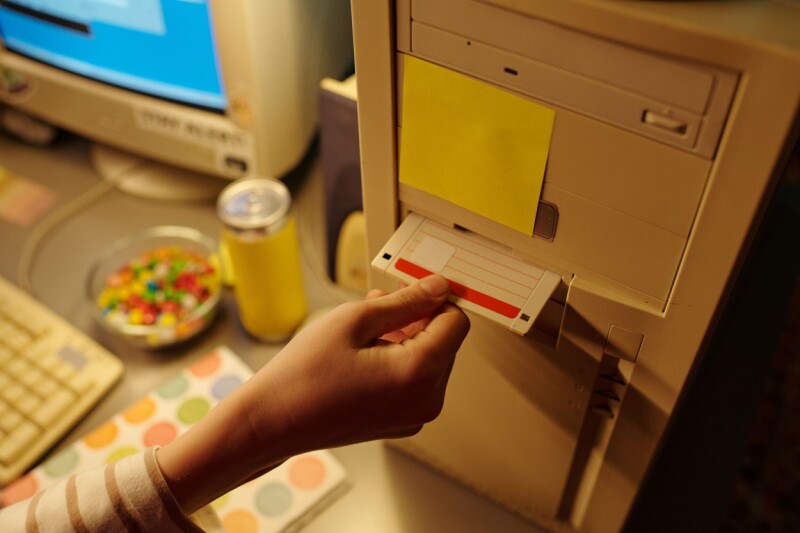
If you're old enough, you might remember using floppy disks, either of the 3.5-inch or 5.25-inch variety. They didn't hold much and often you had to have many disks to install one program. Don't be misled by Fits on a Floppy's retro-tech name: it is most definitely not about 20th century data media. It's about compactness and comprehensibility. Fits on a Floppy describes itself as "a Manifesto for Small Software," and as we read it, we found ourselves nodding in agreement, right from the opening line: That is certainly the impression of this author, and it is not just us. We are irresistibly reminded of the Red Hat developer's six waves of industry BS that we recounted in February. Like any eternal verity of the computing industry, there's even an XKCD comic about it, if you needed any more persuading. XKCD's own internal citations, both about voting machines and indeed about the use of the blockchain, reinforce the message. Randall Monroe spells it out: That sounds about right. And parenthetically, anyone who says that they can improve anything with either blockchain or AI is no more to be trusted than a schoolteacher who gives no homework. A year before that Red Hat engineer talked to us about waves of industry BS, Dutch consultant Bert Hubert talked to The Reg about digital sovereignty – and he feels similarly. In 2024, he wrote A 2024 Plea for Lean Software in tribute to the great Niklaus Wirth, who passed away earlier that month. In our own obituary for Professor Wirth, we mentioned the 1995 paper that inspired Hubert: A Plea for Lean Software (this is a PDF of a scan – but we have posted a more readable plain text version here). One of the lasting effects of that paper is what is now called Wirth's Law: Sadly, that seems to have been its main impact. As a usable demonstration of his 2024 "plea," Hubert offered a working example, which he explained in Trifecta Technology. It's a web image-sharing tool, implemented in under 2000 lines of code. There's also a page for the Trifecta app itself, which comes in as a 1.7 MB compressed Docker file. (With some clever disk formatting, you could get that on a 1.4 MB floppy.) There are, as that anonymous Red Hatter observed, so many different layers of unnecessary complication and plain old marketing lies in modern IT that it is now hard to even keep track of them. One point of the Fits on a Floppy idea is that if you impose an artificial limit on project size, merely by keeping it very small, you will be forced to keep it very simple. That simplicity is the goal here, not fitting on 1980s physical media. You might react with scorn when you hear the idea that in the 2020s, anything useful could fit into under 1.5 MB. When even a leading tool to write an ISO file onto a USB key is a hundred times that size, it sounds absurd. But it really is not. The mind behind the manifesto is developer Matt Sephton, and he offers 18 tiny but useful apps that he's written to prove his point – plus a screensaver which we feel sure is an hommage to Berkeley's classic Flying Toasters screensaver. Others are still making useful single-floppy-sized apps today. We wrote about the revival of the Dillo web browser, and at last year's FOSDEM, the project lead was handing out floppies with the latest release. The whole app, on one diskette. Drew DeVault's Hare programming language is still in development, but when it reaches version 1.0, he plans to sell copies on a floppy: Another tiny modern language is the Janet Language. It's not quite so small, but its just over 2MB download could fit onto the 2.8 MB floppies that were used in later IBM PS/2 models and the NeXTstation. The real point here is about the readability and long term maintainability of compact, even minimalistic code. It's a similar point to that made in Dave Gauer's Ascetic Computing essay, which we cited and linked to when looking at OpenBSD 7.9. Small size and simplicity is what Fits on a Floppy is really talking about, not about physical media. He explicitly spells it out for the hard-of-thinking: Bert Hubert too returned to this theme when he wrote a piece On Long Term Software Development. At this year's Open Source Policy Summit, we saw some pundits pontificating that to escape the US cloud, the answer was that Europe needed its own companies running their own datacenters running Europe's own domestic cloud. This is so manifestly Getting The Wrong End Of The Stick that it put us in mind of Wolfgang Pauli's famous line: "That is not only not right; it is not even wrong." The way to escape a broken model that was a bad idea in the first place is not to make your own sovereign version. All you're doing is locking yourself in your own personal cage. The smart answer is to discard the broken model, and go back to an older, simpler model where organizations own and store their own data on their own servers. As ever, the KISS Principle is one of the best guidelines. It's Occam's Razor in reverse: the best solution is the simplest possible solution. If the problem is that you are trapped in someone else's cloud, then don't switch to another cloud and risk it happening again: get your private data out of the cloud altogether. Just Use One Big Server. Hire some grumpy old techies with grey hair (or none) to run it – there are plenty out there, but ageism keeps them out of work. At the smallest and most local end of this scale, then one useful guiding principle is to just keep the tools as small as you can possibly make them. It's an artificial limit, but that does not lessen its validity. It's not the only way. It may not even be the best way. But it's a way, a simple, clear, obvious way – and there's nothing to prevent anyone finding their own different path to radical simplicity. The PC rose to greatness running on two 360 kB floppy drives – hard disk drives only came along later. Tools like Lotus 1-2-3 redefined business management running on one 360 kB disk, with a second 360 kB data disk in drive B: – and this vulture is willing to bet that some spreadsheets built on such machines, long since converted to Microsoft Excel, are still running multinationals, and indeed nations, today. Compared to that, 1.4 MB is luxurious. ®

Read the whole story
zippy72
45 days ago
reply
FourSquare, qv
Share this story
Delete

20 Of The Most Savage Comebacks By George Takei

1 Share

From intergalactic fame to big Internet name, George Takei has become a crusader against hate on social media - and resistance is futile.

While George carved out most of his legacy as Hikaru Sulu in the original Star Trek series, he's found a new life at 79 years-old as one of the most 'liked' people on Facebook, with over 10 million fans hanging off his every post. He's supremely witty, and is never short on scathing comebacks when Internet trolls attack.

George is also an outspoken advocate for LGBTQ rights and racial equality. As both a gay man and a Japanese-American growing up during World War II, he's seen his fair share of discrimination, and he fights against it fiercely. He recently launched a Care2 petition asking people to stand up for Muslims in the US aimed at the incoming president, Donald Trump, and is less than 3000 supporters away from achieving his goal of 160,000.

Live long and prosper, George! (h/t)

More info: Facebook, Twitter

Click here & follow us for more lists, facts, and stories.

#1

© Photo: George Takei

#2

© Photo: George Takei

#3

© Photo: George Takei

#4

© Photo: jareddimples

#5

© Photo: George Takei

#6

© Photo: George Takei

#7

© Photo: George Takei

#8

© Photo: User

#9

© Photo: George Takei

#10

© Photo: User

#11

© Photo: User

#12

© Photo: George Takei

#13

© Photo: George Takei

#14

© Photo: George Takei

#15

© Photo: George Takei

#16

© Photo: anavrodriguez

#17

© Photo: ryanoconn

#18

© Photo: George Takei

#19

© Photo: YoungSilvaa

#20

© Photo: George Takei

You might also like: 16 Times People Actually Got Revenge On Their Childhood Bullies And It Was Sweet Like Honey


Read the whole story
zippy72
48 days ago
reply
FourSquare, qv
Share this story
Delete

49 Stunning Photos Of Lisbon’s Street Art That Prove Why This City Is The Unofficial Graffiti Capital Of The World

1 Comment

If you’ve ever wandered the hilly, tile-covered streets of Lisbon, you know the city itself is basically a living, breathing gallery—but keeping up with its ever-changing walls is a full-time job. Enter Luis Rodrigues, the dedicated curator behind the Instagram powerhouse Street Art Lisbon, where he meticulously documents the city’s vibrant urban soul across a staggering 18,000+ posts.

While Luis is quick to remind his 55,000+ followers that he isn't the artist behind the spray cans, his page has become the definitive digital archive for everything from massive, multi-story murals to those blink-and-you’ll-miss-it stencils hidden in the Alfama district.

More info: Instagram

Click here & follow us for more lists, facts, and stories.

#1

© Photo: street_art_lisbon

#2

© Photo: street_art_lisbon

#3

© Photo: street_art_lisbon

#4

© Photo: street_art_lisbon

#5

© Photo: street_art_lisbon

#6

© Photo: street_art_lisbon

#7

© Photo: street_art_lisbon

#8

© Photo: street_art_lisbon

#9

© Photo: street_art_lisbon

#10

© Photo: street_art_lisbon

#11

© Photo: street_art_lisbon

#12

© Photo: street_art_lisbon

#13

© Photo: street_art_lisbon

#14

© Photo: street_art_lisbon

#15

© Photo: street_art_lisbon

#16

© Photo: street_art_lisbon

#17

© Photo: street_art_lisbon

#18

© Photo: street_art_lisbon

#19

© Photo: street_art_lisbon

#20

© Photo: street_art_lisbon

#21

© Photo: street_art_lisbon

#22

© Photo: street_art_lisbon

#23

© Photo: street_art_lisbon

#24

© Photo: street_art_lisbon

#25

© Photo: street_art_lisbon

#26

© Photo: street_art_lisbon

#27

© Photo: street_art_lisbon

#28

© Photo: street_art_lisbon

#29

© Photo: street_art_lisbon

#30

© Photo: street_art_lisbon

#31

© Photo: street_art_lisbon

#32

© Photo: street_art_lisbon

#33

© Photo: street_art_lisbon

#34

© Photo: street_art_lisbon

#35

© Photo: street_art_lisbon

#36

© Photo: street_art_lisbon

#37

© Photo: street_art_lisbon

#38

© Photo: street_art_lisbon

#39

© Photo: street_art_lisbon

#40

© Photo: street_art_lisbon

#41

© Photo: street_art_lisbon

#42

© Photo: street_art_lisbon

#43

© Photo: street_art_lisbon

#44

© Photo: street_art_lisbon

#45

© Photo: street_art_lisbon

#46

© Photo: street_art_lisbon

#47

© Photo: street_art_lisbon

#48

© Photo: street_art_lisbon

#49

© Photo: street_art_lisbon

You might also like: 38 Times Companies Accidentally Created Comedy Gold With Their Ad Placements


Read the whole story
zippy72
121 days ago
reply
I've gotta get out more...
FourSquare, qv
Share this story
Delete
Next Page of Stories