Log in

We took a trip to r/Stupid and gathered some of their most facepalm-worthy posts below. We don’t mean to annihilate your faith in humanity, pandas, but there’s a good chance that these images will make you feel like you’re surrounded by idiots. Enjoy scrolling through these hilarious posts that we wish were satire, and be sure to upvote the ones that make you feel super smart! © Photo: [deleted] © Photo: BigButterChicken © Photo: beluuuuuuga Have you ever wondered how a certain politician could manage to get elected when you know in your heart that they’re an absolute idiot? And how often do you pass a car in traffic that is moving like the driver has only one brain cell? It’s kind to give others the benefit of the doubt in most situations, but sometimes, we have to accept that there are some stupid people out there. As for why some people online appear to be lacking any intelligence, well, Evan Francen has some theories. First, he notes that social media and the internet certainly haven’t done us any favors. Sure, they’ve given us access to all the information in the world, but that means that we don’t actually have to know anything. And we’ve become so used to being in constant contact with others that we often forget to think before we speak (or type). © Photo: [deleted] © Photo: beluuuuuuga © Photo: DingDongPuddlez Francen also pointed out that convenience is ruining people’s critical thinking. We don’t have to learn directions because an app will always tell us when to turn. We don’t have to learn how to spell because our phones will fix it for us. We don’t have to think because we can be constantly stimulated by our phones and just regurgitate what we hear on social media. Along with that, many people have completely lost their problem-solving skills. Take bean soup theory, for example, or “what about me-ism.” This was created after someone commented on a TikTok of a recipe for bean soup, “What if I don’t like beans?” Instead of scrolling along and finding a different recipe, the person couldn’t comprehend that not everything is for them. Their problem could have easily been solved by looking for a pea soup or chicken noodle soup recipe instead. © Photo: beluuuuuuga © Photo: beluuuuuuga © Photo: beluuuuuuga Something else that’s particularly prevalent online (though this happens in real-life too) is clueless people being extremely confident. Whether it’s espousing conspiracy theories or claiming everyone else is wrong, people who have no idea what they’re talking about tend to be the loudest people in the room. Meanwhile, thousands of others will silently see their insane comments and just keep scrolling. So it’s easy to get the impression that everyone online is an idiot when the most intelligent people tend to keep their mouths shut. © Photo: [deleted] © Photo: beluuuuuuga © Photo: beluuuuuuga Now, many people believe that the internet is making humans stupider. And while that’s not necessarily true, it is undoubtedly rewiring our brains. Concordia University explains that the internet is shortening our attention spans, worsening our ability to recall memories, and taking a significant toll on many people’s empathy muscles and social skills. Someone cannot blame the internet for not being able to read or for not knowing how to accomplish basic tasks around the house, but it might explain why they struggle so much with thinking outside the box. © Photo: beluuuuuuga © Photo: beluuuuuuga © Photo: Electronic-Skirt-173 The funny thing about feeling like you’re surrounded by idiots is that the majority of people believe that they’re smarter than the average person. Which, statistically, cannot be true, of course. But if you’re one of the rare people who is worried about being stupid, the BBC has some advice. First, they note that you must be able to recognize your blind spots. Nobody knows everything, and the smartest people can recognize what they don’t know. © Photo: beluuuuuuga © Photo: beluuuuuuga © Photo: beluuuuuuga If you don’t want to be the stupidest person in the room, you also have to be willing to eat humble pie. There will be moments when you accidentally say something incorrectly or make a mistake. Don’t double down and claim that you were correct. Just admit that you have some learning to do, and move on. It’s a much more mature way of approaching the situation, and it won’t get you cyberbullied for being an idiot online. © Photo: beluuuuuuga © Photo: beluuuuuuga © Photo: beluuuuuuga Something else you might want to start doing to really activate your brain is arguing with yourself. You can do this on any topic, really, to ensure that you see both sides. Being too narrow-minded is a huge hindrance to your life, but if you are open and willing to explore all sides of a situation, you’ll learn so much more. Finally, the BBC urges people not to underestimate the checklist. It may not seem fun to make a checklist every day or every week, but it will keep you on task. Instead of wandering aimlessly, you’ll always know what needs to be done next. And you’ll feel a sense of accomplishment when you complete it! © Photo: beluuuuuuga © Photo: beluuuuuuga © Photo: beluuuuuuga Are you enjoying these screenshots of people displaying their stupidity online, pandas? Keep upvoting the pics that make you smile, and let us know in the comments below what the stupidest thing you’ve ever seen on the internet was. Then, if you’re looking for another article from Bored Panda featuring images that will make you cringe, look no further than right here! © Photo: [deleted] © Photo: Ill_Earth8585 © Photo: Plastic_Gas1160 © Photo: ThaProtege © Photo: beluuuuuuga © Photo: LinedStorm2 © Photo: beluuuuuuga © Photo: beluuuuuuga © Photo: [deleted] © Photo: beluuuuuuga © Photo: beluuuuuuga © Photo: beluuuuuuga © Photo: 2okey © Photo: keith2301 © Photo: CommissionDesigner23 © Photo: beluuuuuuga © Photo: Trump_Harambe © Photo: beluuuuuuga © Photo: beluuuuuuga © Photo: beluuuuuuga © Photo: reckerrad © Photo: NoeZip © Photo: beluuuuuuga © Photo: beluuuuuuga © Photo: beluuuuuuga © Photo: BradTheFnafGamer © Photo: ruckusx © Photo: beluuuuuuga © Photo: beluuuuuuga © Photo: Traditional_Quiet_55 © Photo: lifinale © Photo: Theguywhoasked8 © Photo: beluuuuuuga © Photo: beluuuuuuga © Photo: Grease_Monkey1 © Photo: v3ryclever © Photo: beluuuuuuga © Photo: beluuuuuuga © Photo: [deleted] © Photo: Isfandyar © Photo: [deleted] © Photo: bruhcucumber © Photo: beluuuuuuga © Photo: Stinkynelson © Photo: [deleted] © Photo: GreenShoulder3048 © Photo: beluuuuuuga © Photo: CheesyBread6785 © Photo: beluuuuuuga © Photo: FluidMemory42069 © Photo: beluuuuuuga#1 Brutally Honest
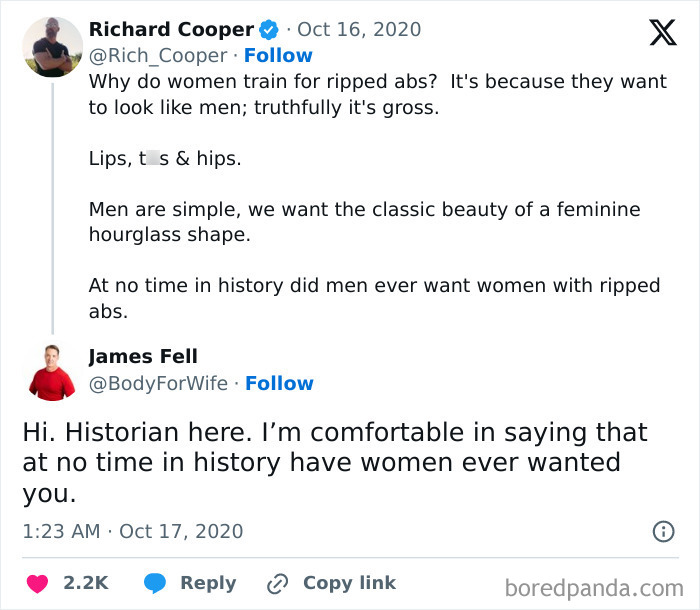
#2 Thayers An Idiot
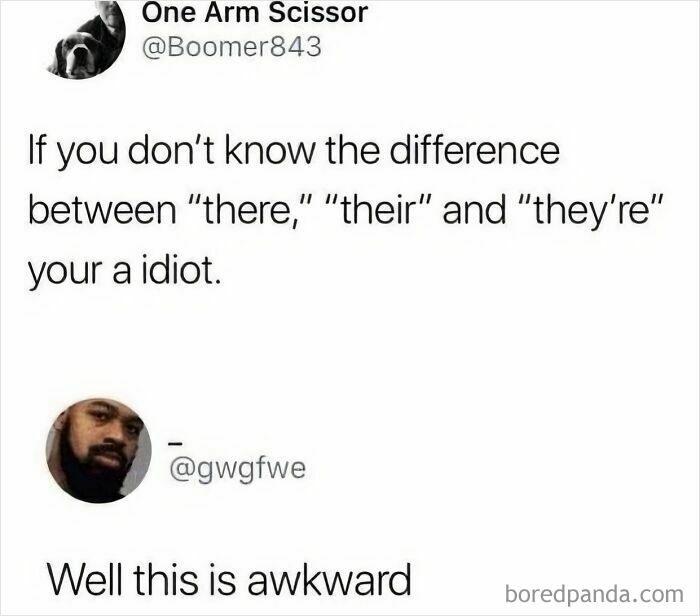
#3 I Facepalmed So Hard At This I Broke My Nose

#4 Fact Check Before
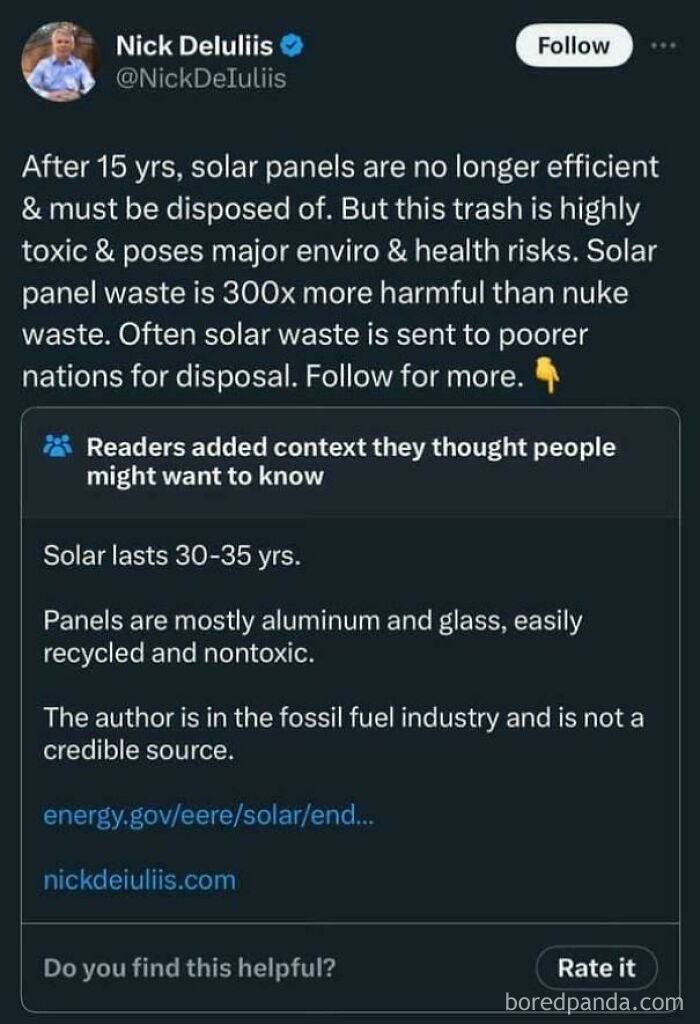
#5 This Guy Really Fell For It Didn't He?
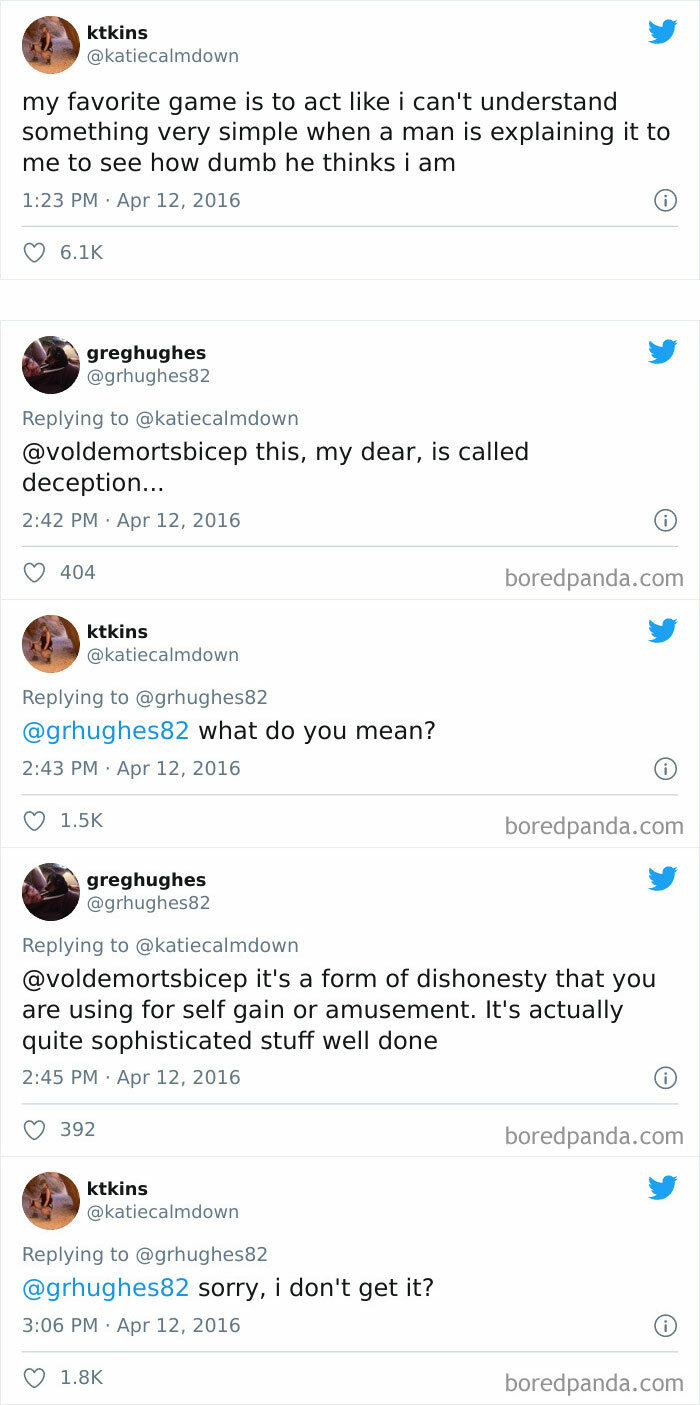
#6 Truer Words Have Never Been Said
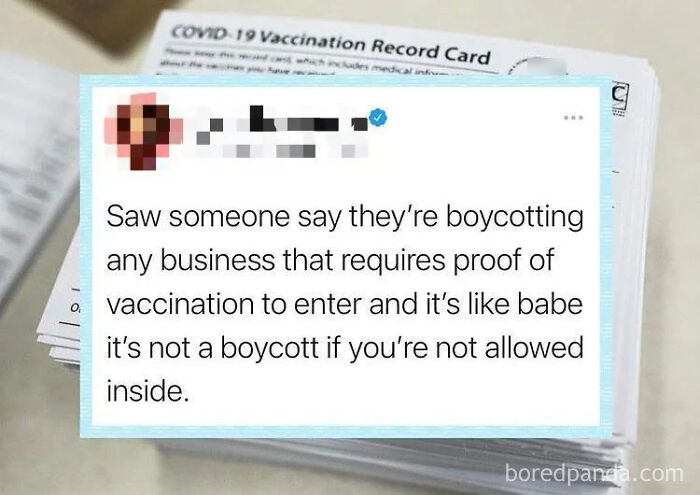
#7 Well This Person Is Stupid

#8 This Is A Funny Text!
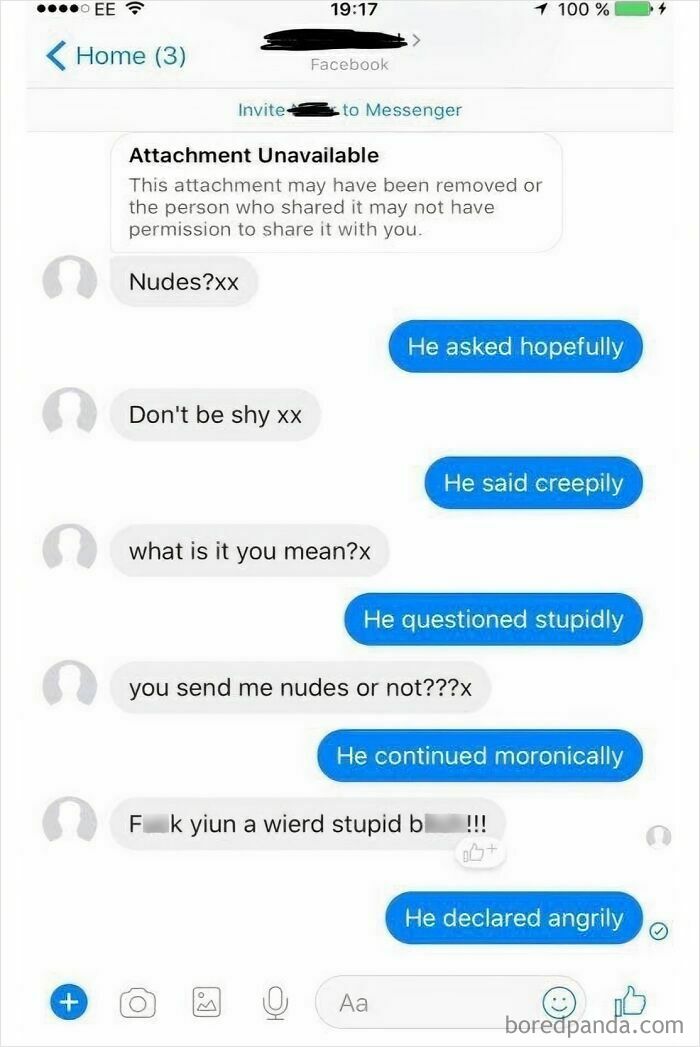
#9 I Feel Sorry For This Guy! Which Cruel Parent Did This To Him
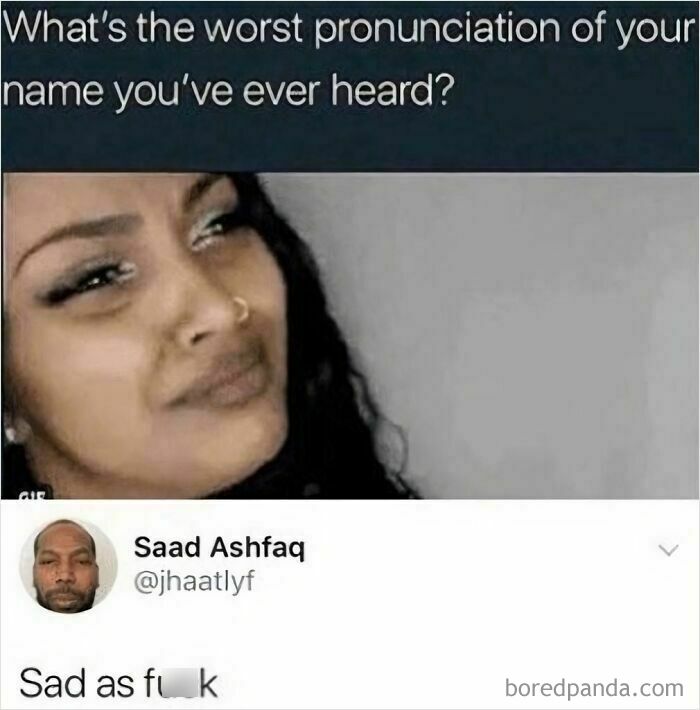
#10 Seems Like A Stupid Question To Me
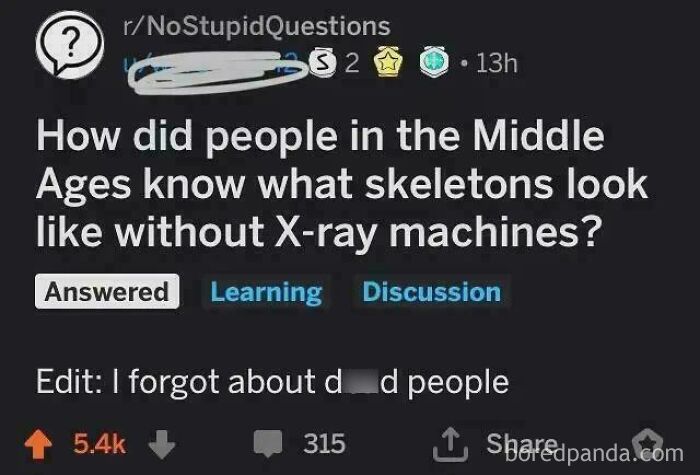
#11 The Stupidest Joke I've Seen Today!
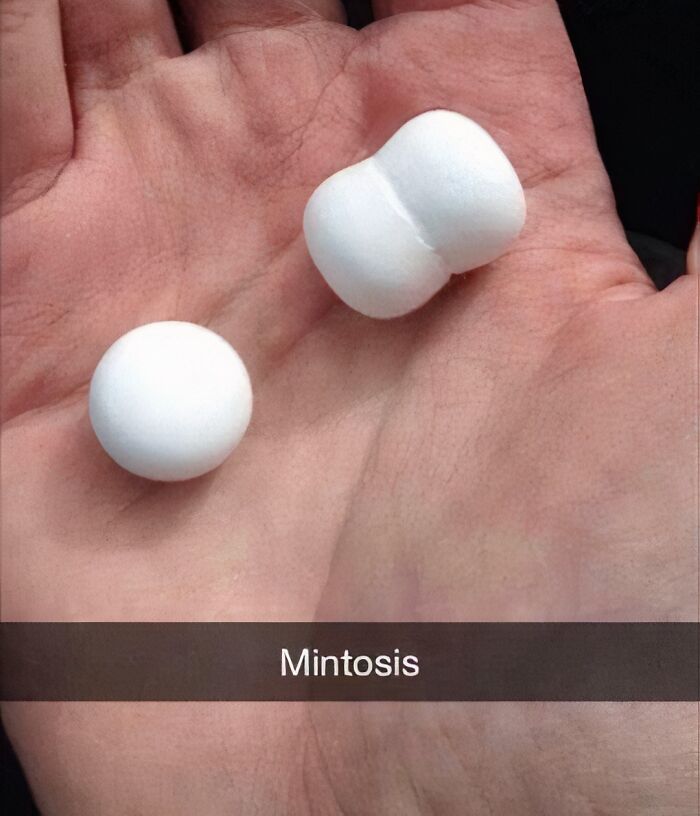
#12 It Was A Bloody Muffin!!
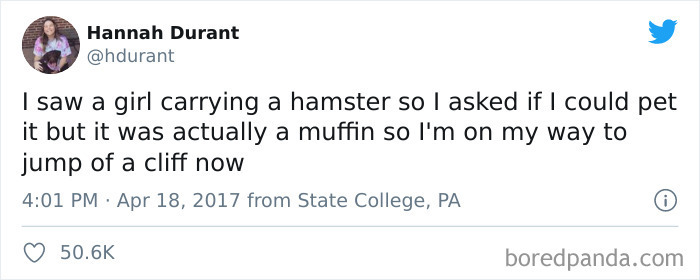
#13 Thinks They Don't Need Vaccine
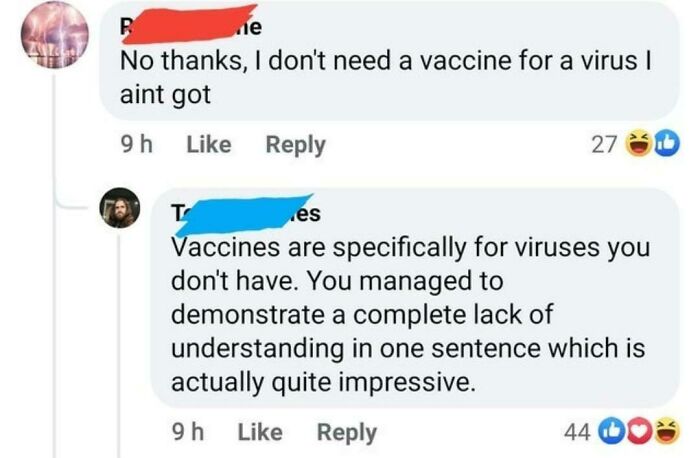
#14 This Person Is Beyond Help
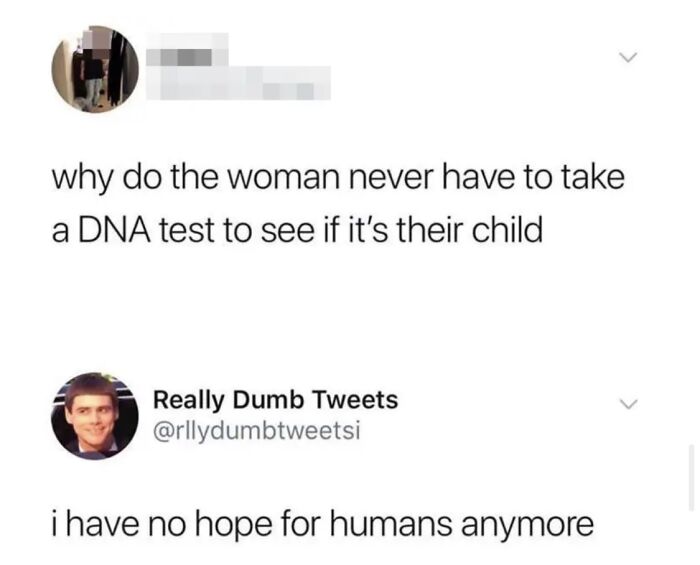
#15 Logik 100

#16 I'm So Glad This Person Got Taught A Well Deserved Lesson
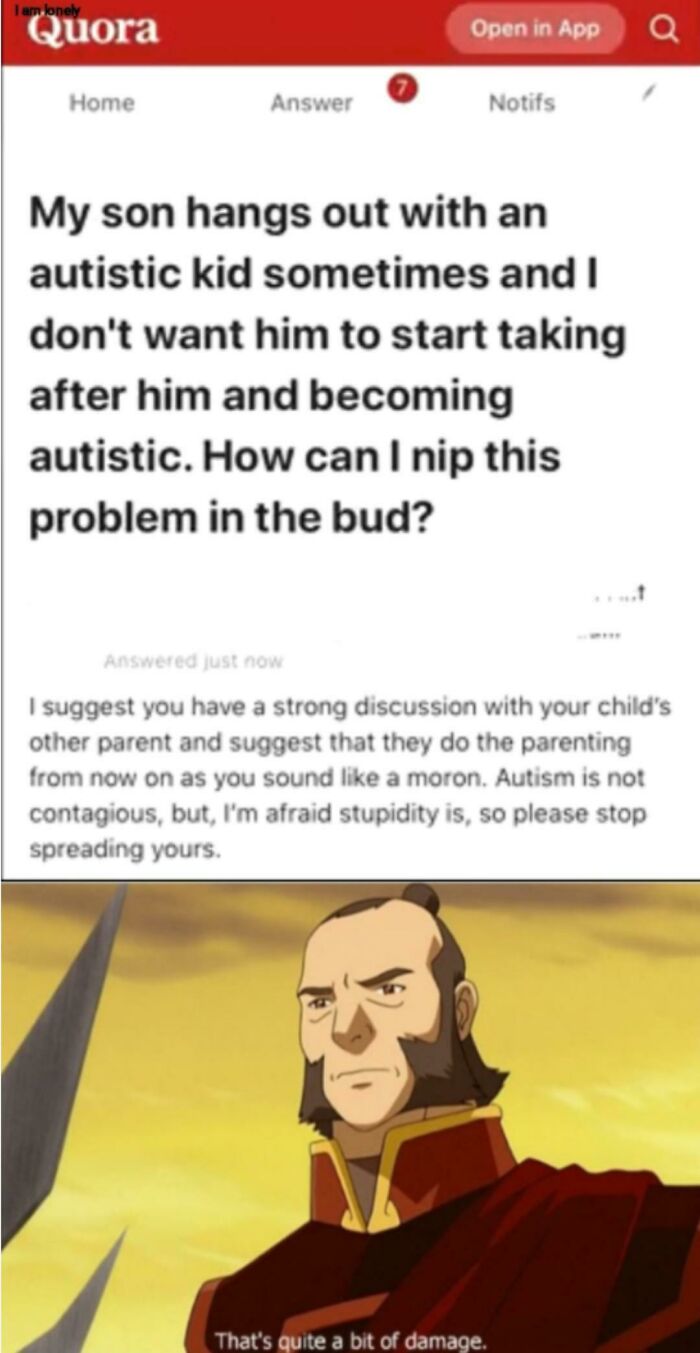
#17 Well He Fell Into That One
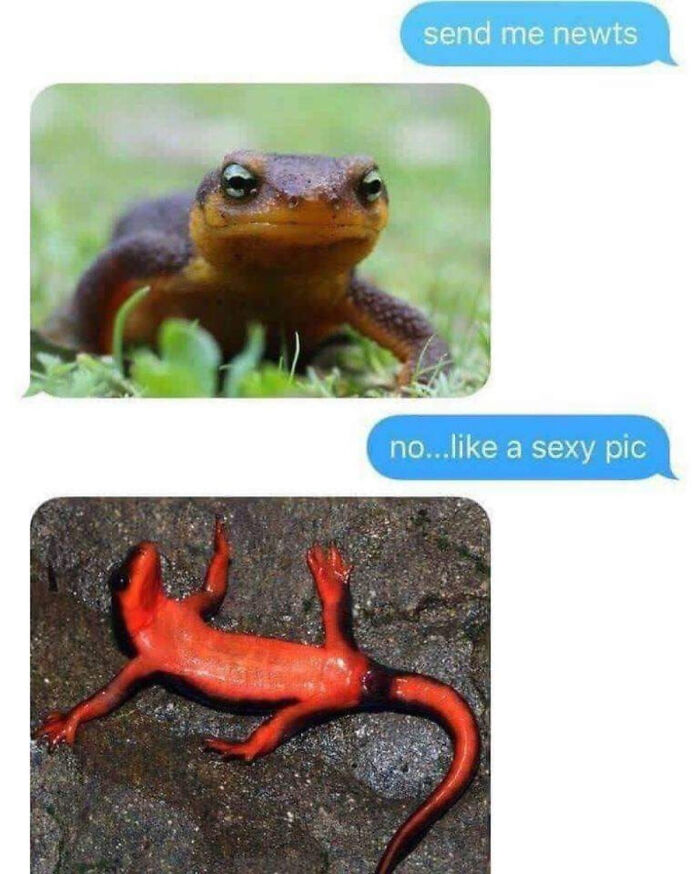
#18 They Fell Right Into This One

#19 No Juice? Just Crush Some Berries

#20 Their Phone Gets No Attention Anymore The Newest Craze Is All About The Gps Tracking Mask
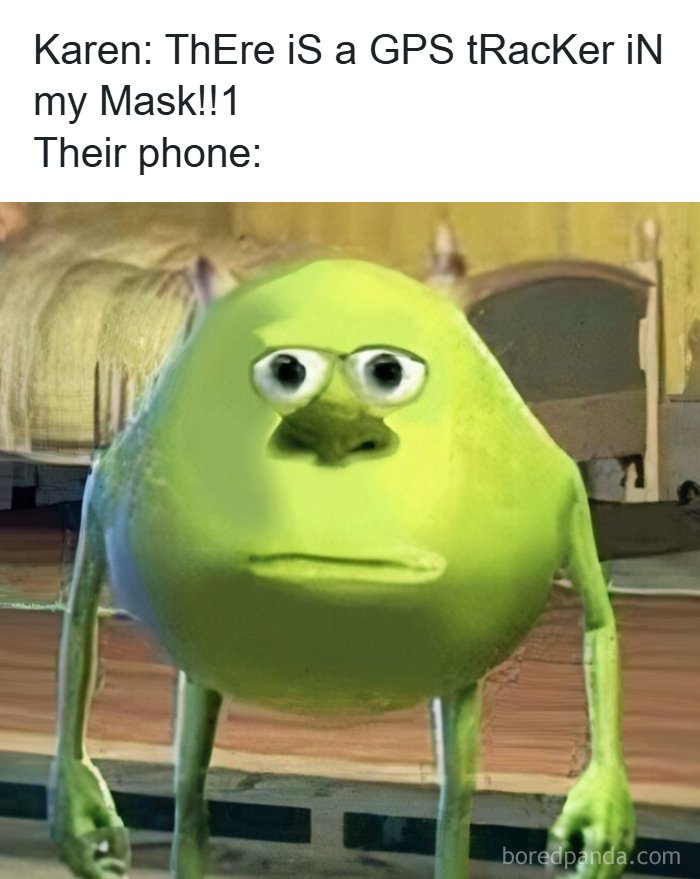
#21 Yikes
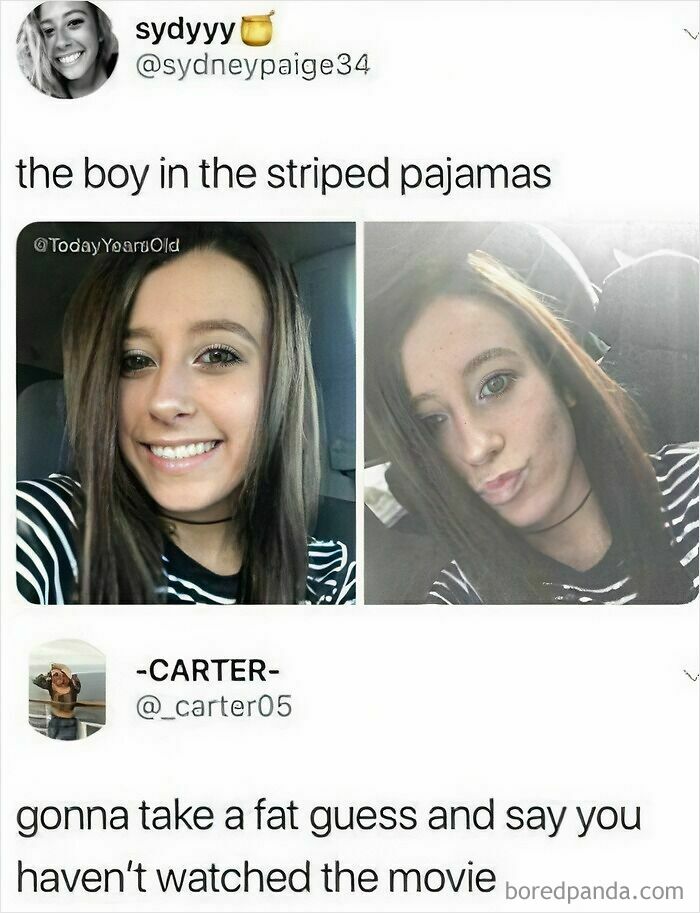
#22 My Life
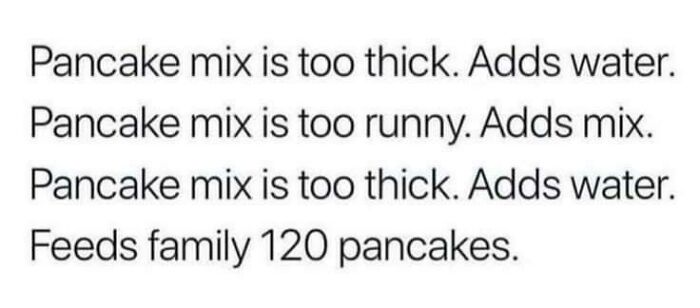
#23 What The Stupid Hilarity Ensue
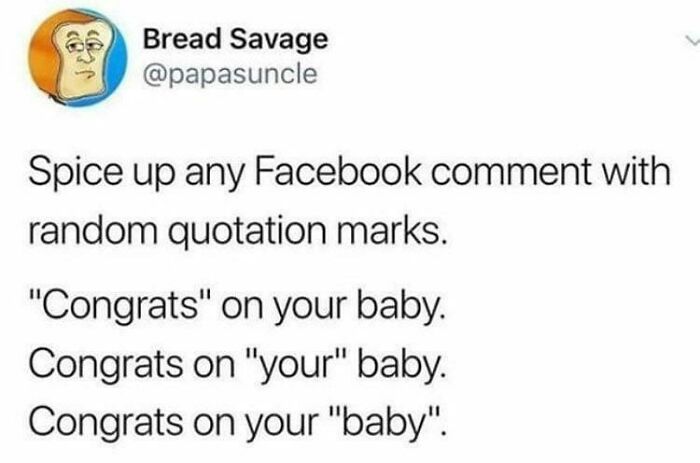
#24 I Wonder Which Stupid Question Tipped Him Over The Breaking Point Of Him Letting Them Off

#25 This Makes Me So Happi
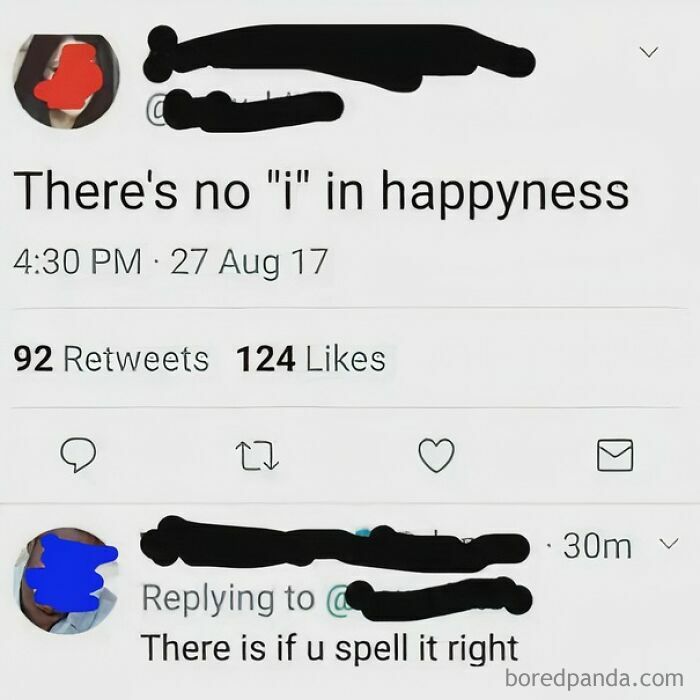
#26 Yes. They Exist
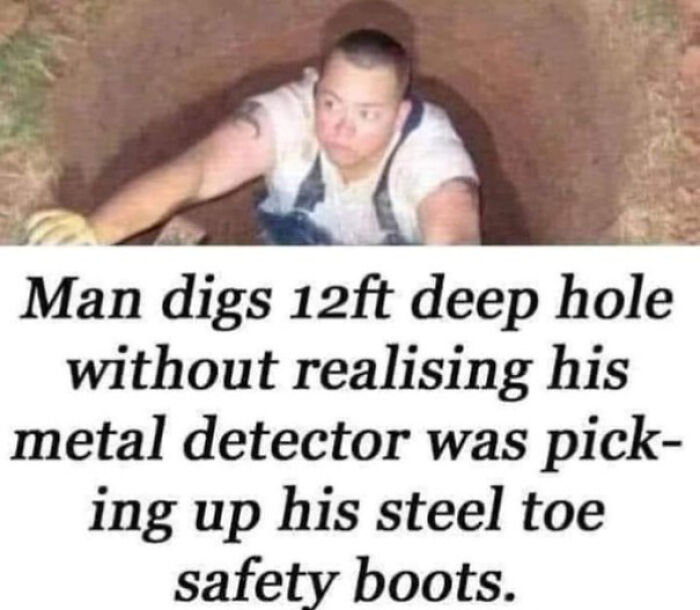
#27 Imagine Being This Gullible She’s F*cking Seven

#28 She Could Always Give A Strip Or Two Away
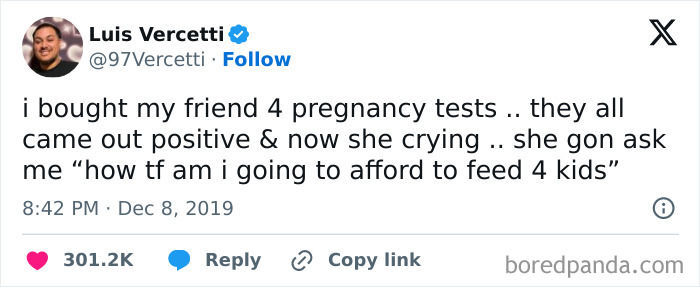
#29 An Unbreakable Passcode
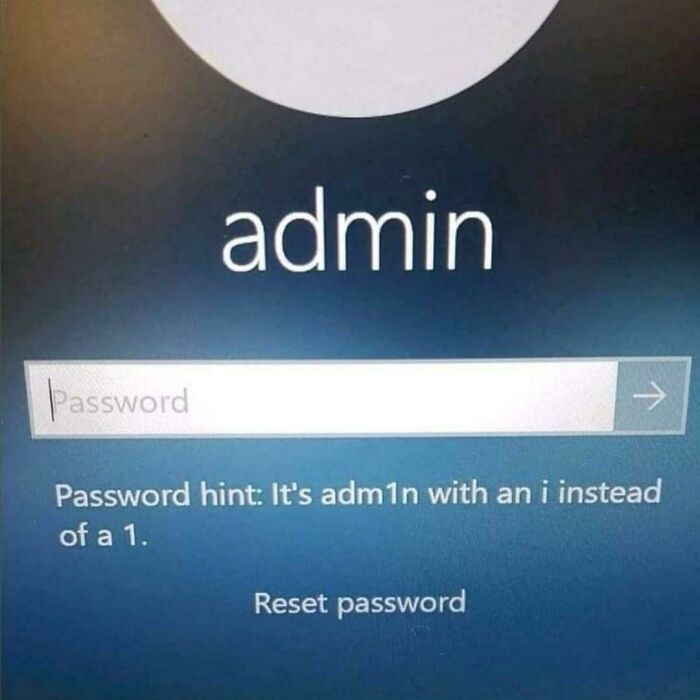
#30 Need To Fill Up? No Worries Use Anything

#31 This Is Stupid But It Might Just Be The Best Idea I've Heard
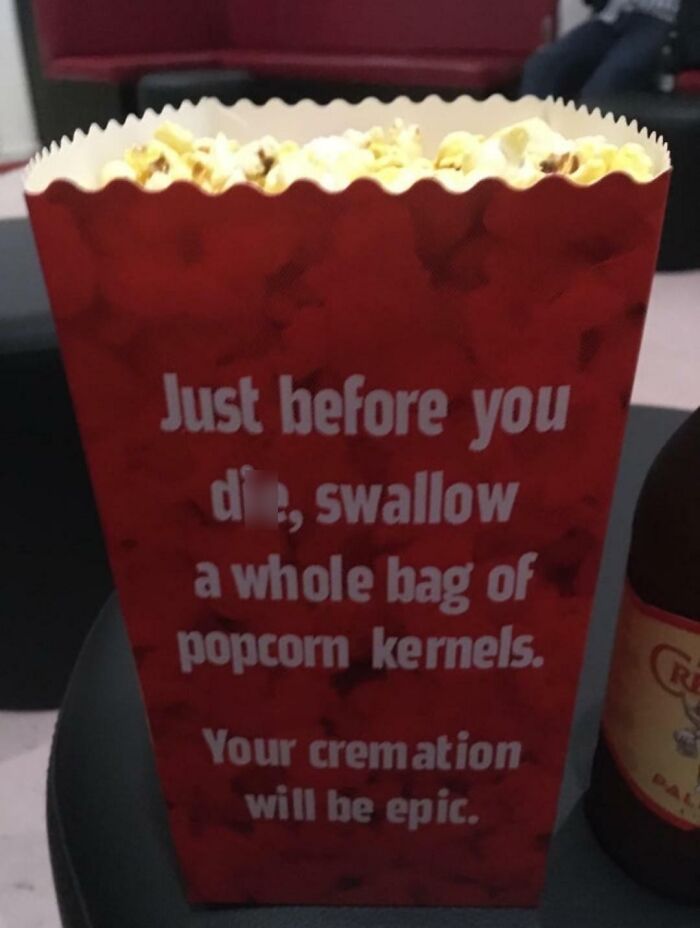
#32 Who Else Feels Like This?
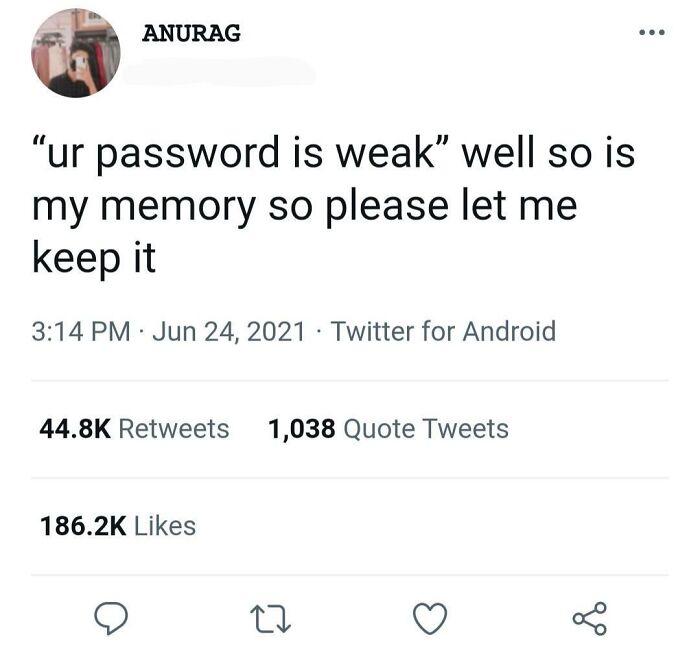
#33 The Internet Won’t Stand For Lies
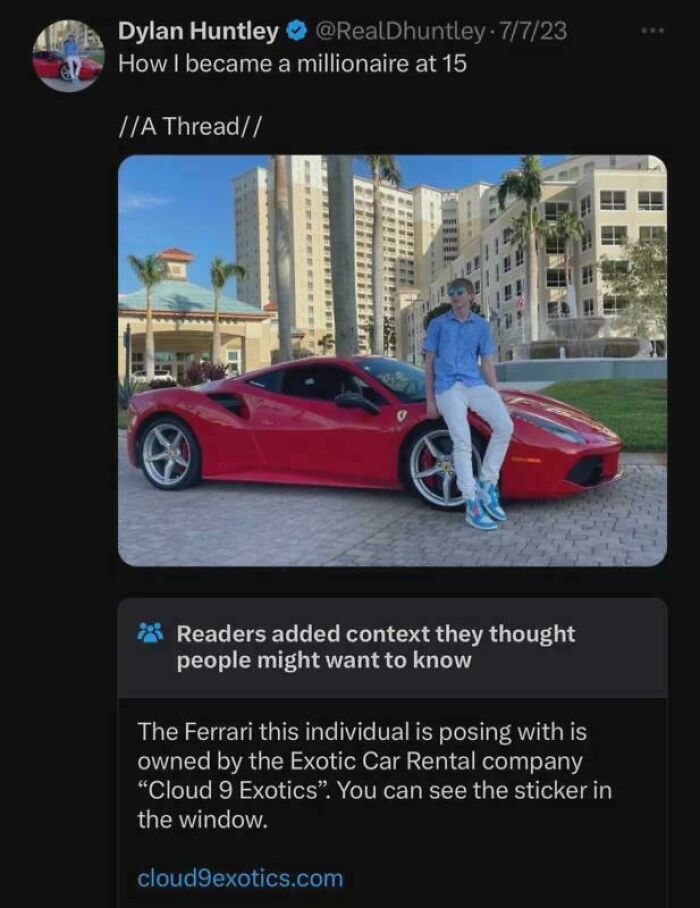
#34 They're Gonna Be So Stupid
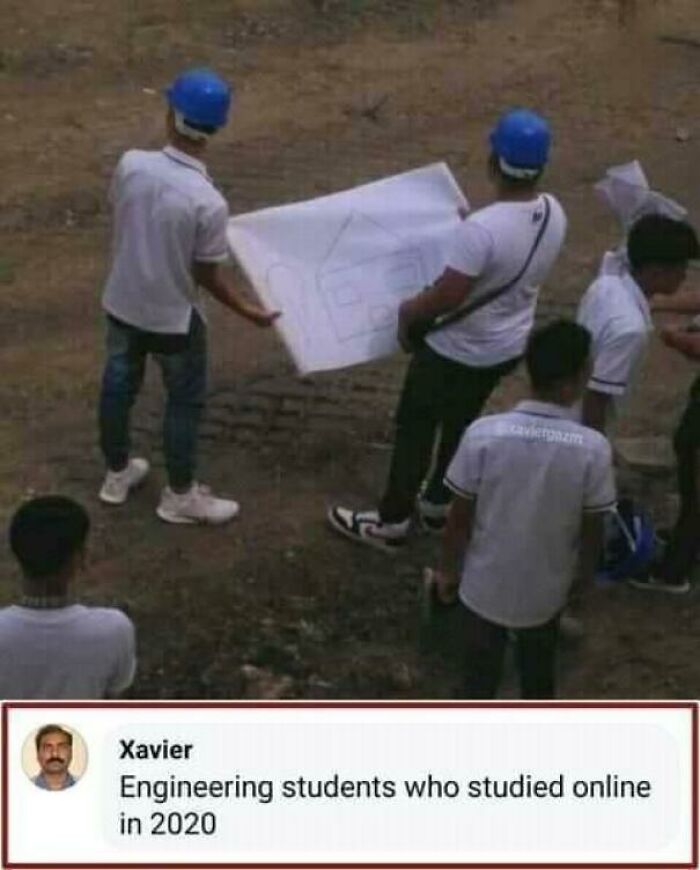
#35 And They Wonder Why They Get No Applicants
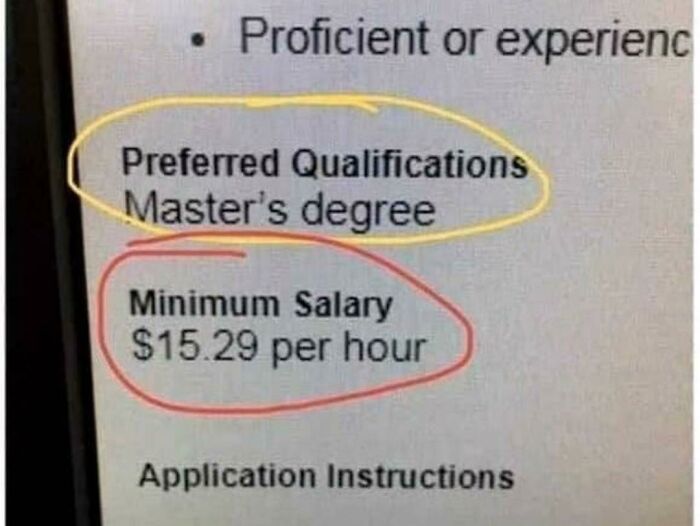
#36 Google Translate Is Stupid!

#37 *forehead*
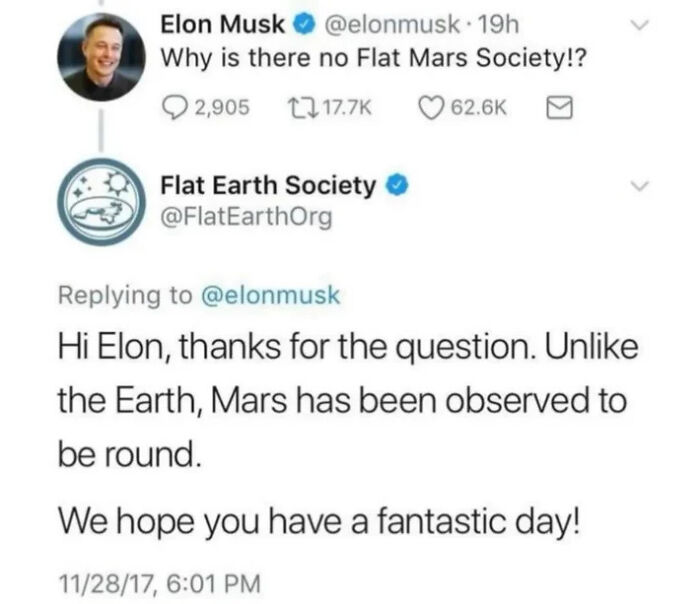
#38 Well, I Guess That Settles It
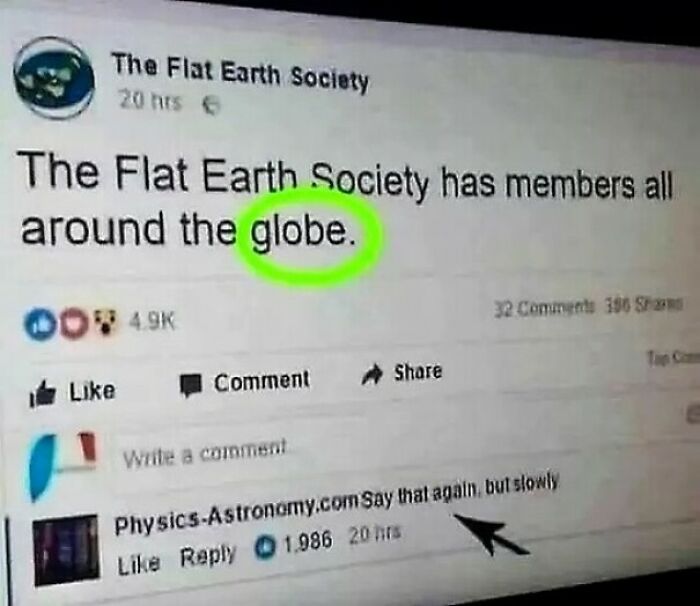
#39 I Can't Even Take It Serious
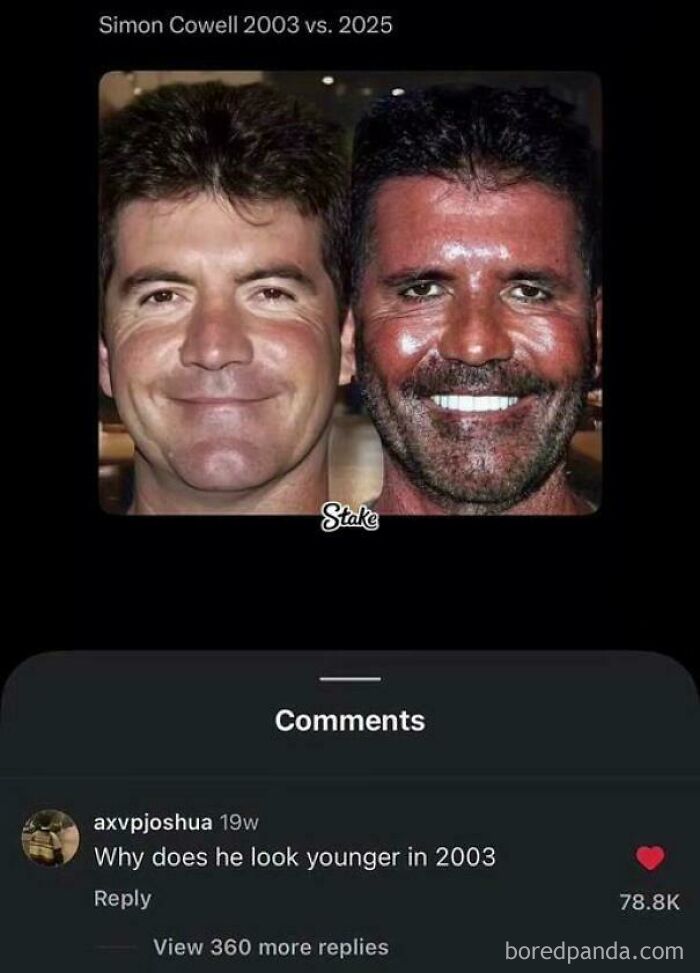
#40 Instagram Bot Accidentally Uploads Picture Of It's Owner

#41 Genius
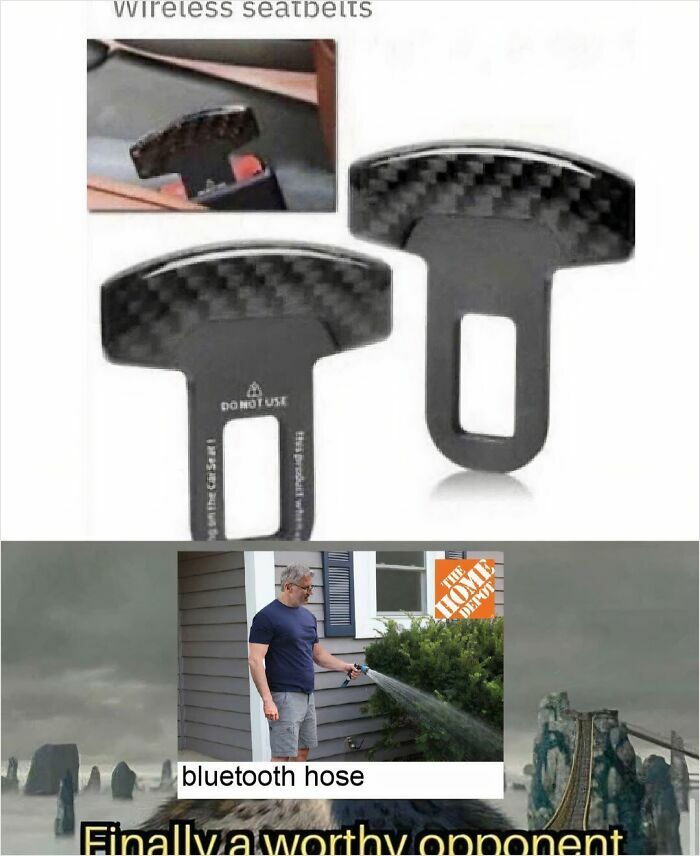
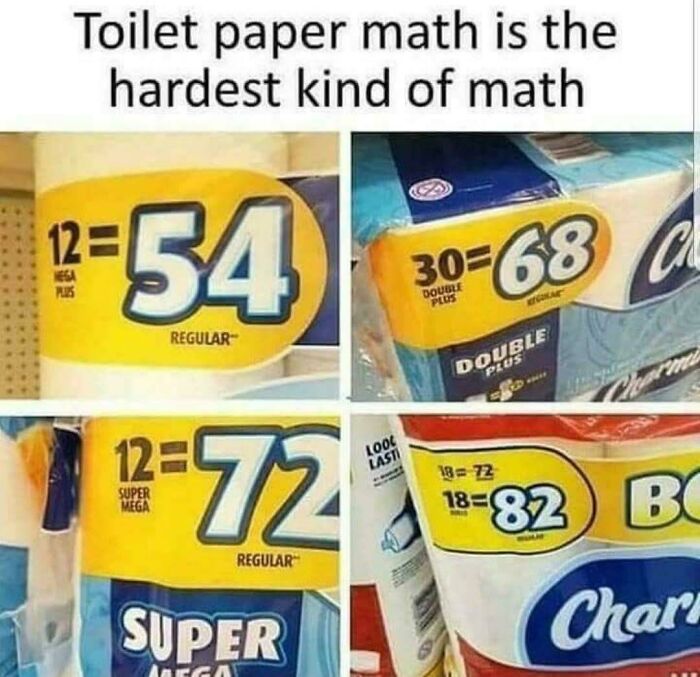
#42 Stupid Toilet Paper Maths
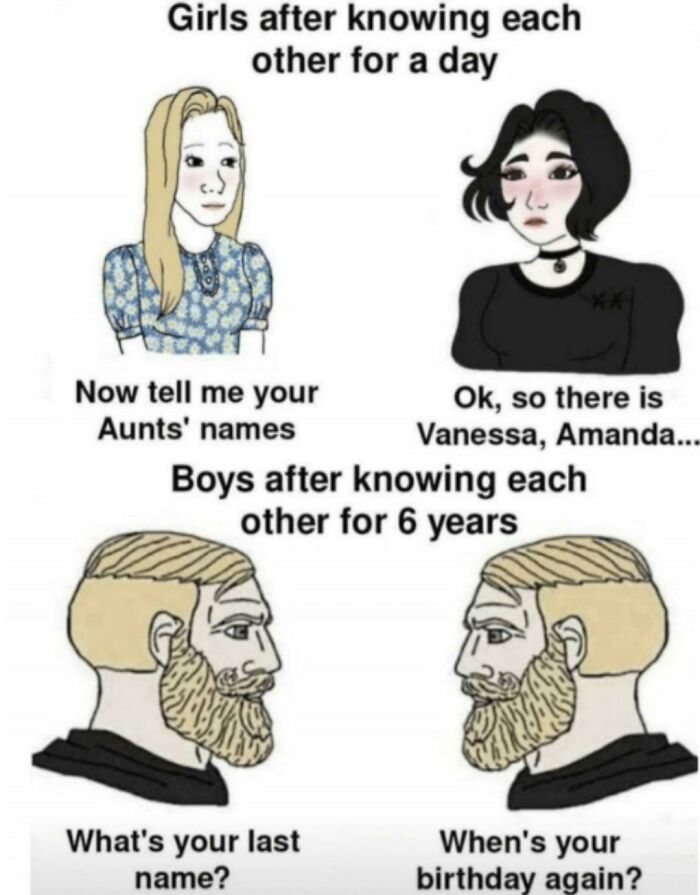
#43 Boys Are Stupid Xd
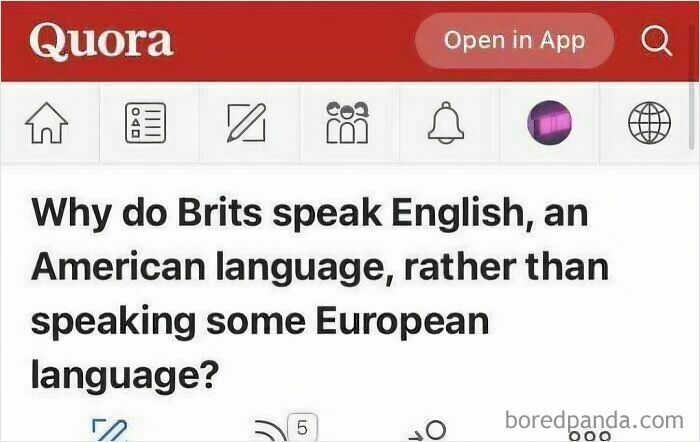
#44 This Ignorantly Bliss Person
#45 Masked Covid Denier

#46 LOL
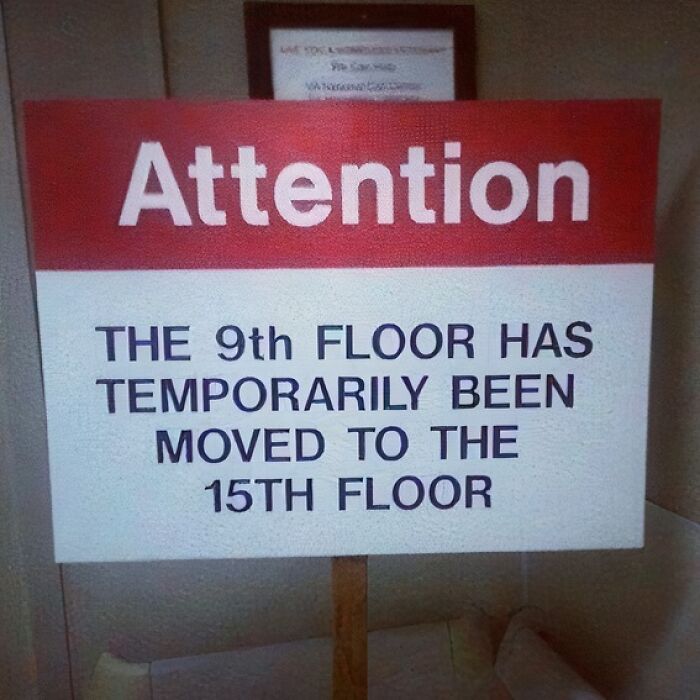
#47 I'm Not Sure What She Was Expecting Here But I Guess That's That
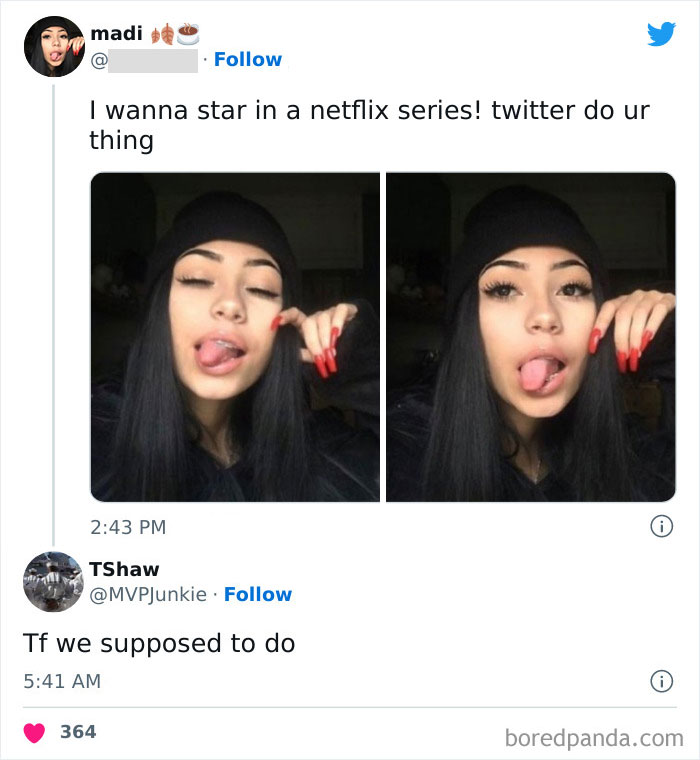
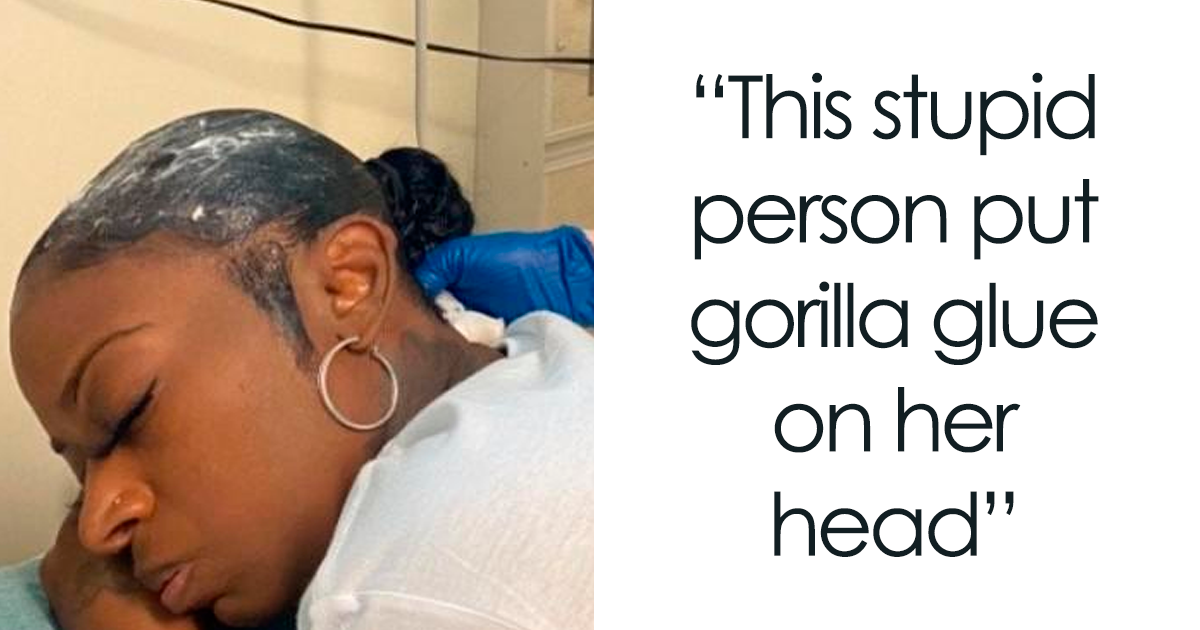
#48 This Stupid Person Put Gorilla Glue On Her Head
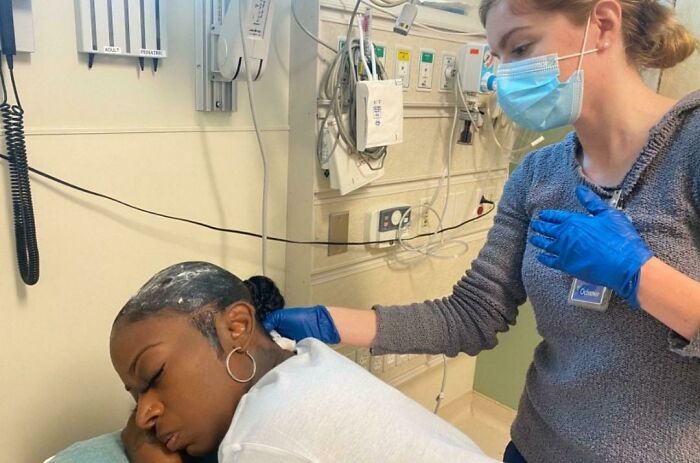
#49 This Idiotic Grin Of This Person As Well

#50 So Stpuid

#51 Can't Fix Stupid
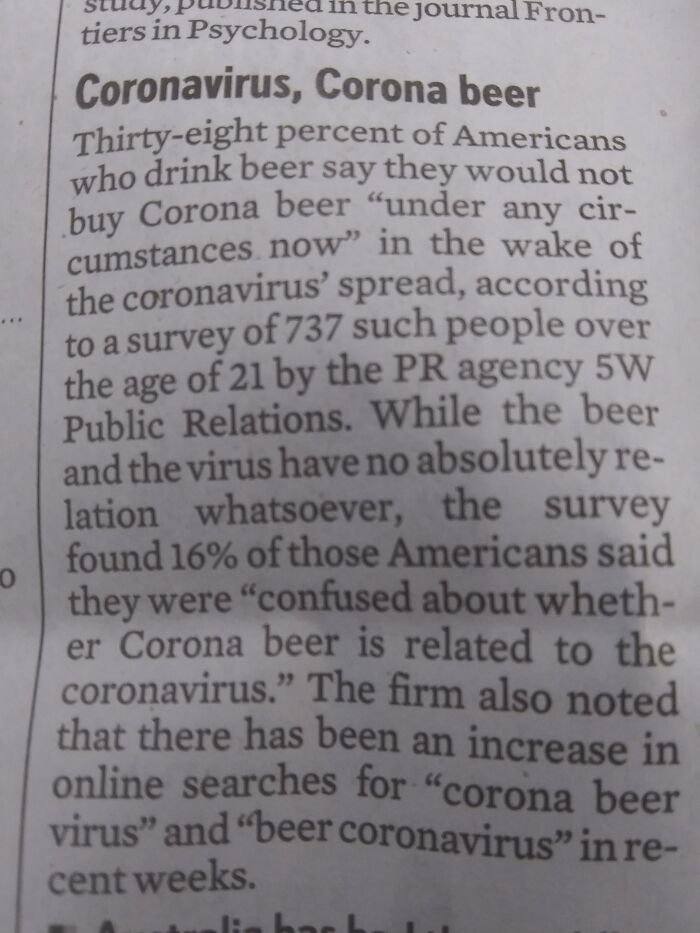
#52 I Had No Idea She Was Alive Before She Died!
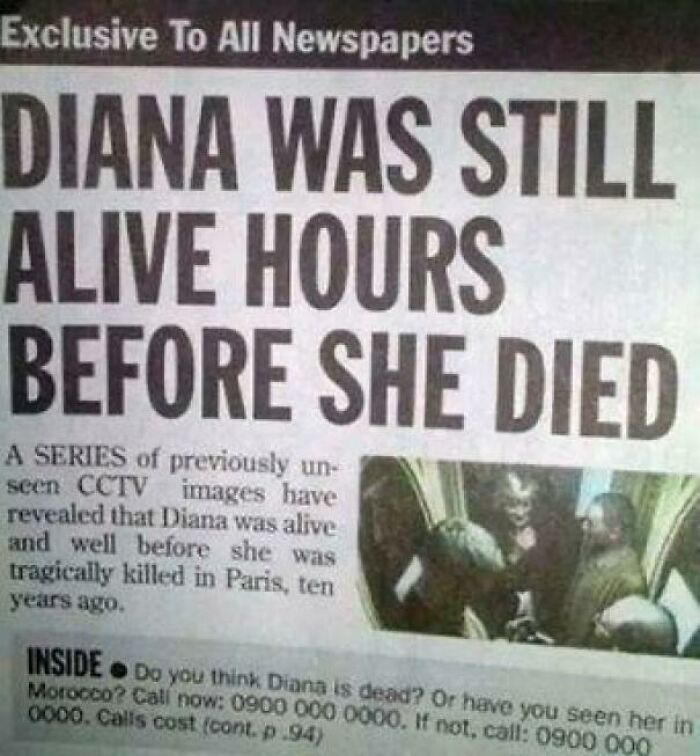
#53 Some Of Us Are That Stupid

#54 It's Still Live... It's Been An Hour

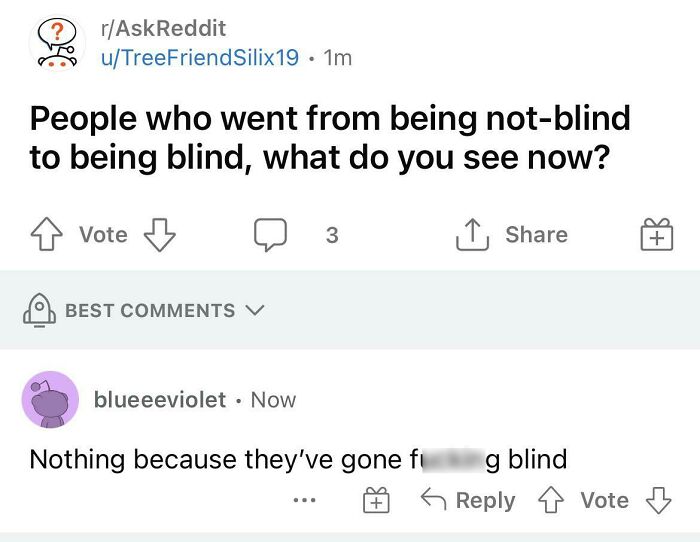
#55 Can Anyone Blind Answer This Question?
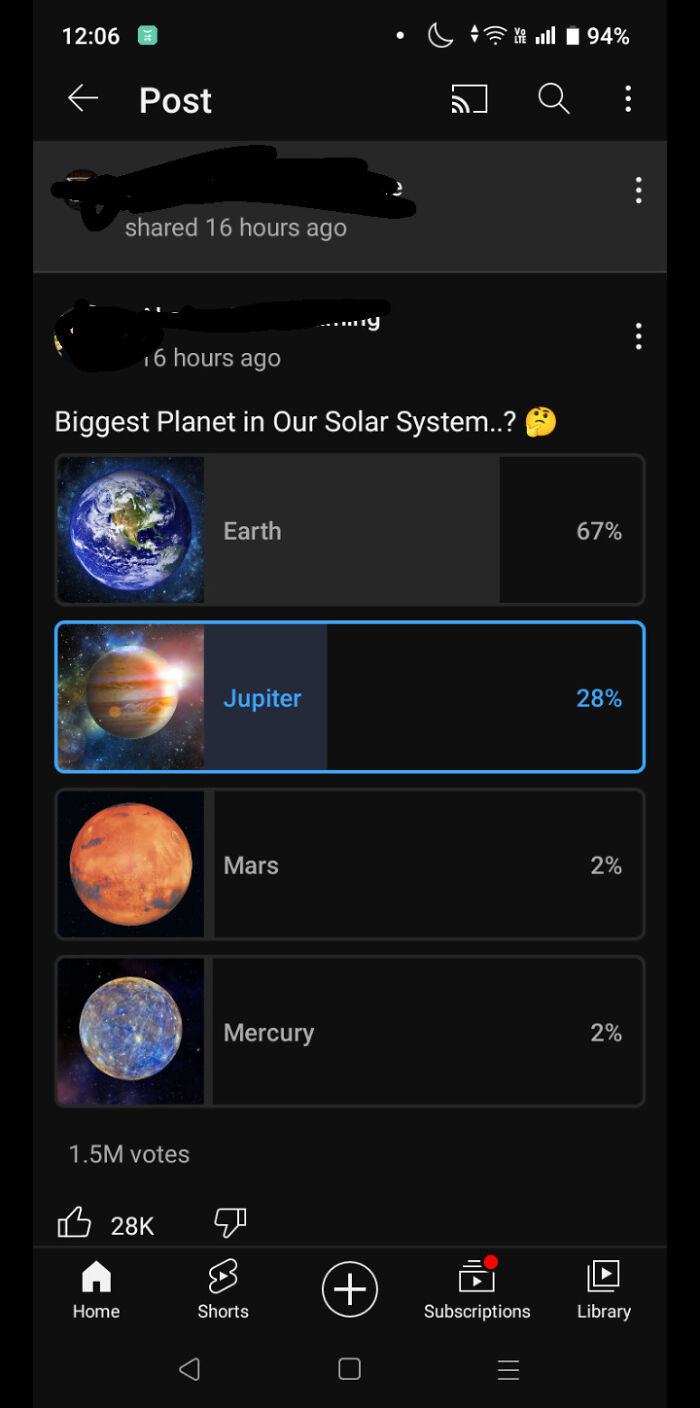
#56 Biggest Planet In The Solar System
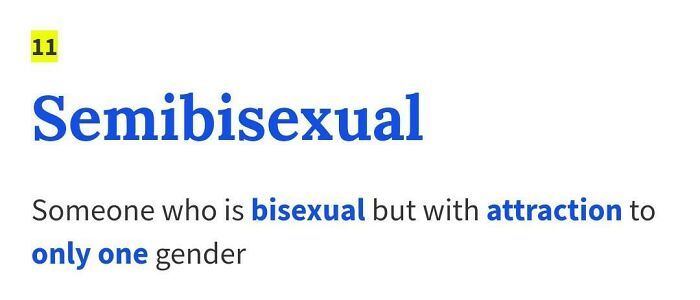
#57 I Love This Definition So Much
#58 Imagine Getting Caught Out Like That

#59 Well
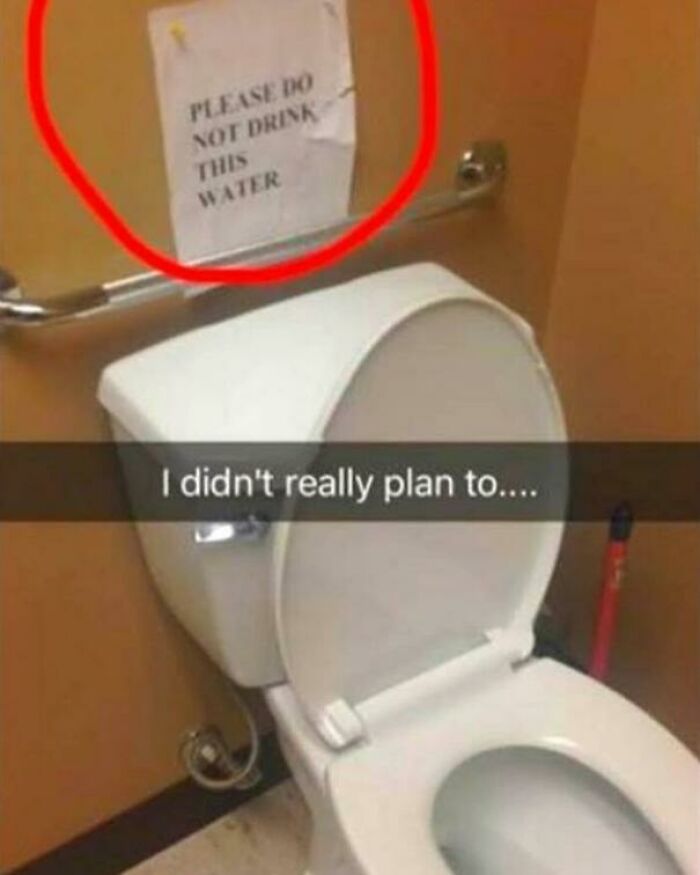
#60 I Have No Idea What’s Going On Through This Guy’s Head
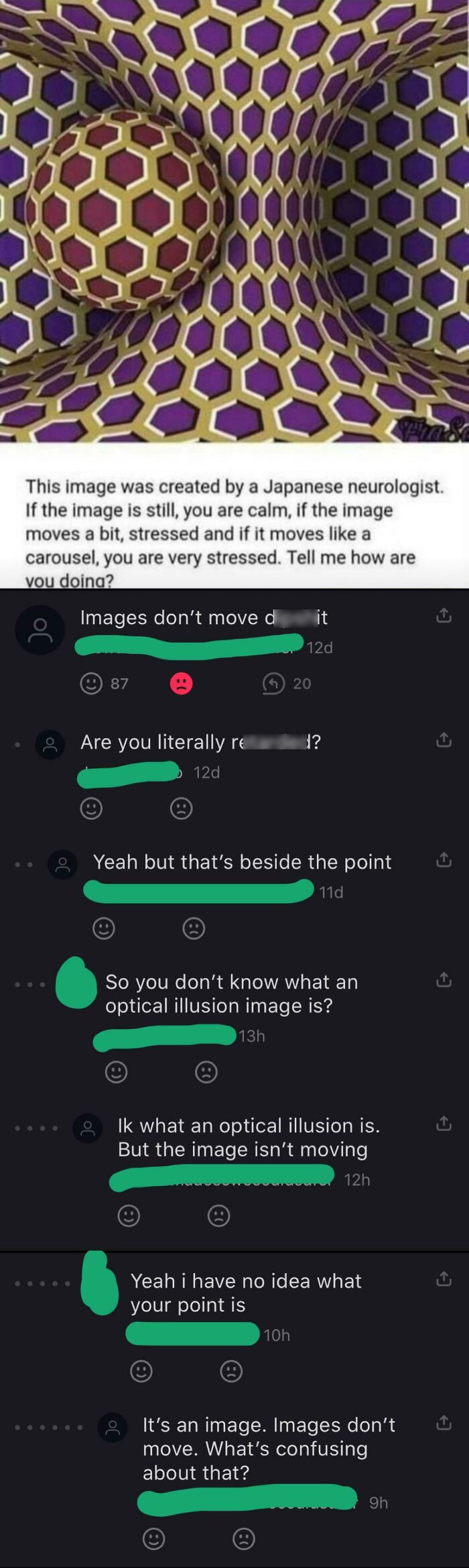
#61 Bloody Hell Anon
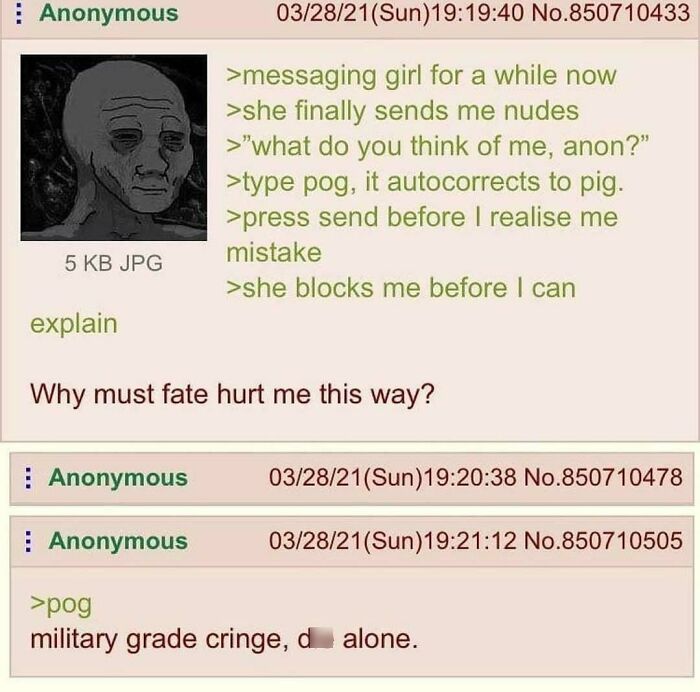
#62 This Person Makes Me Hurt Inside
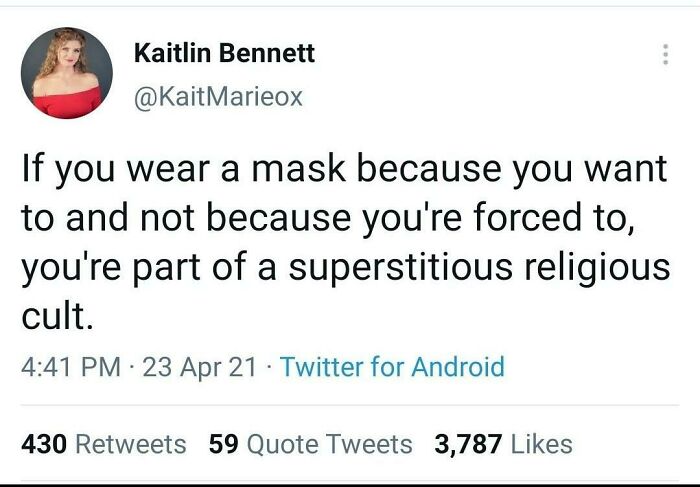
#63 *cough* Moron *cough*
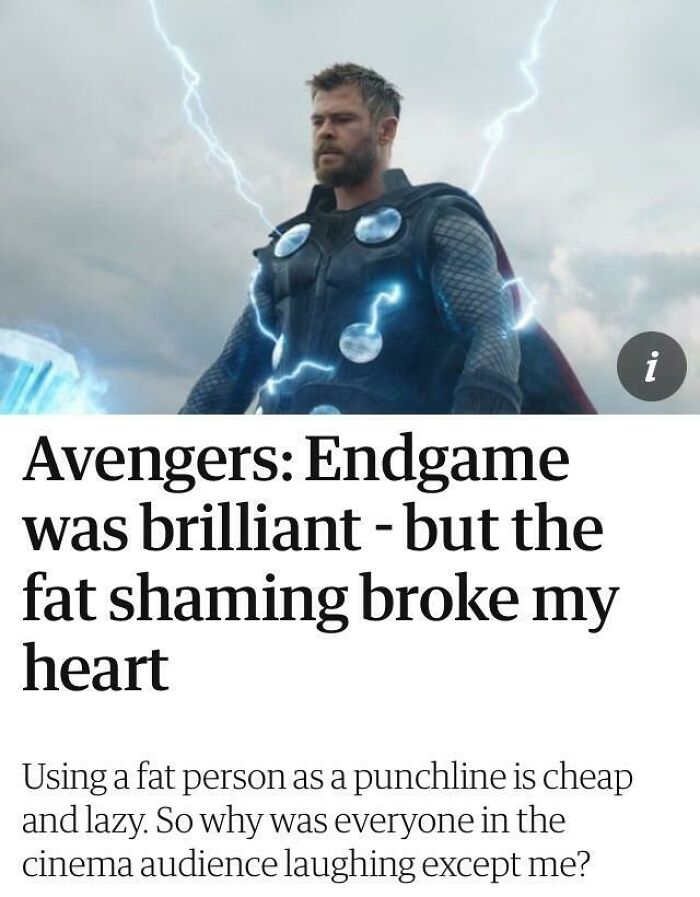
#64 Yep, That's How This Works
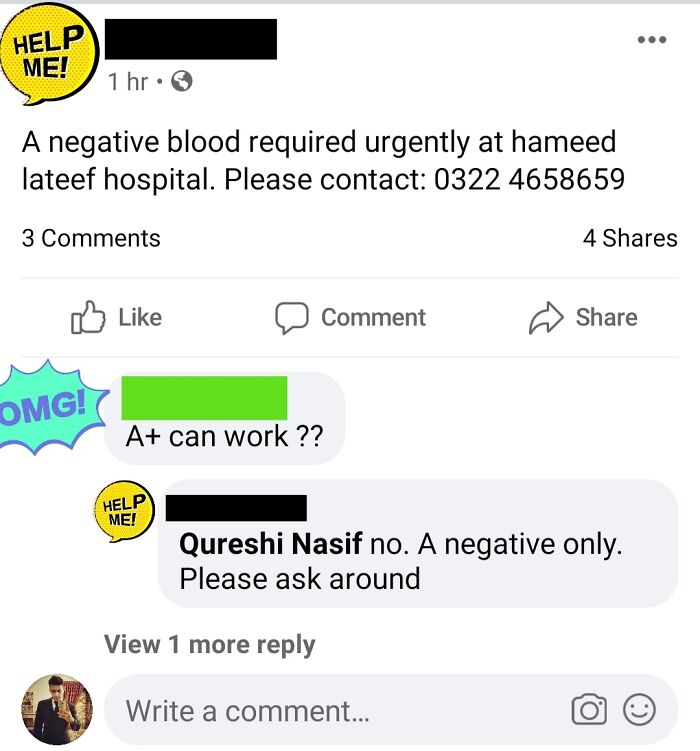
#65 I Have No Words On How Moronic This Is... Worst Thing About This Is That This Girl Is A Teen!
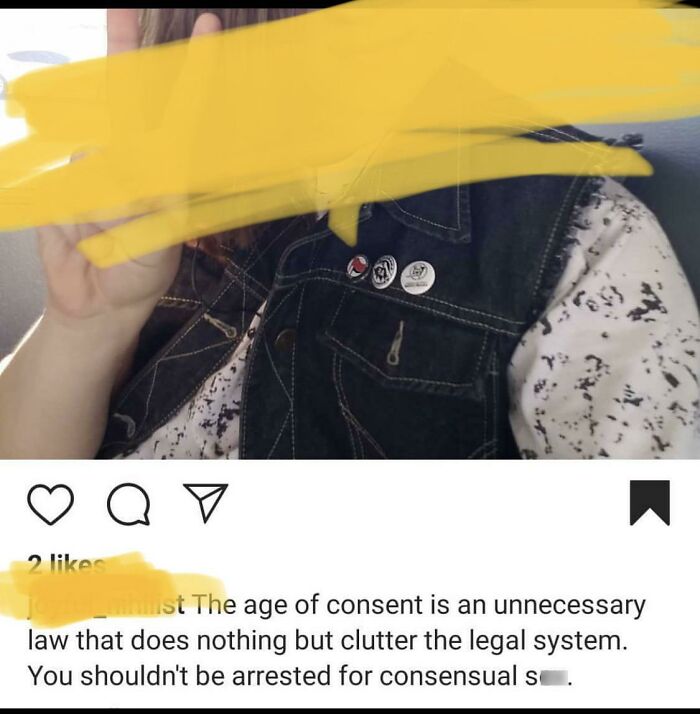
#66 This Was In A Riddle Book??
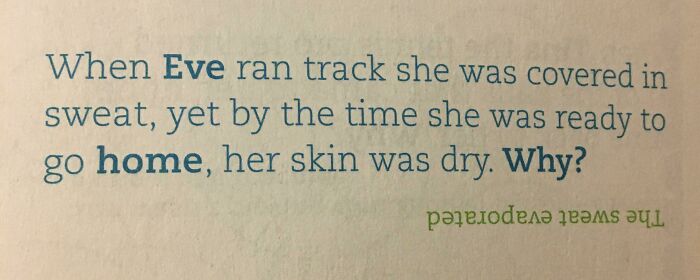
#67 This Is The Stupidest Yet Funniest Joke I've Seen Today

#68 Beets
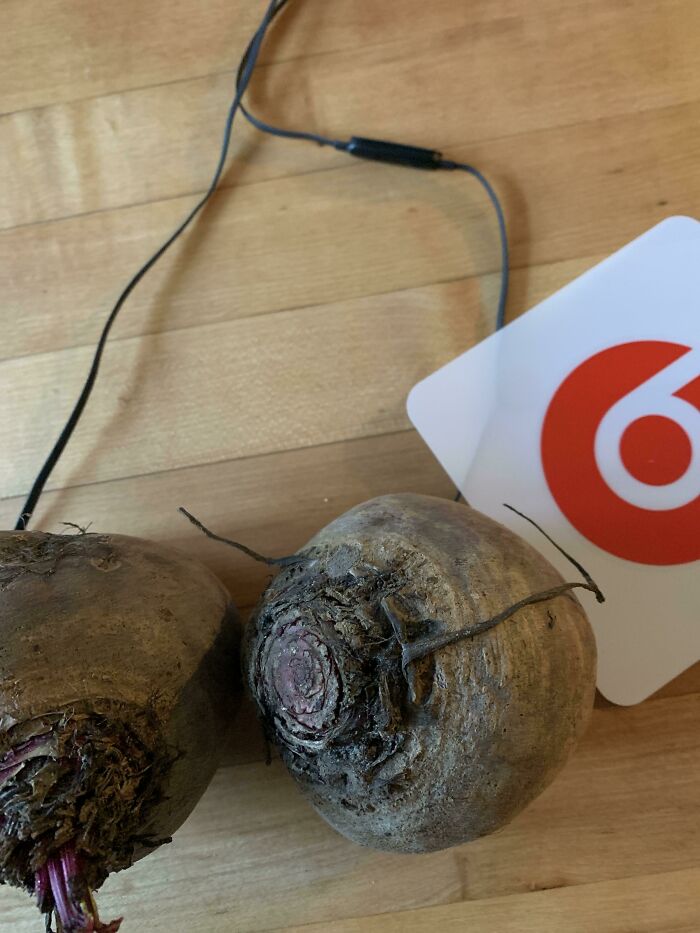
#69 Expert Negotiator
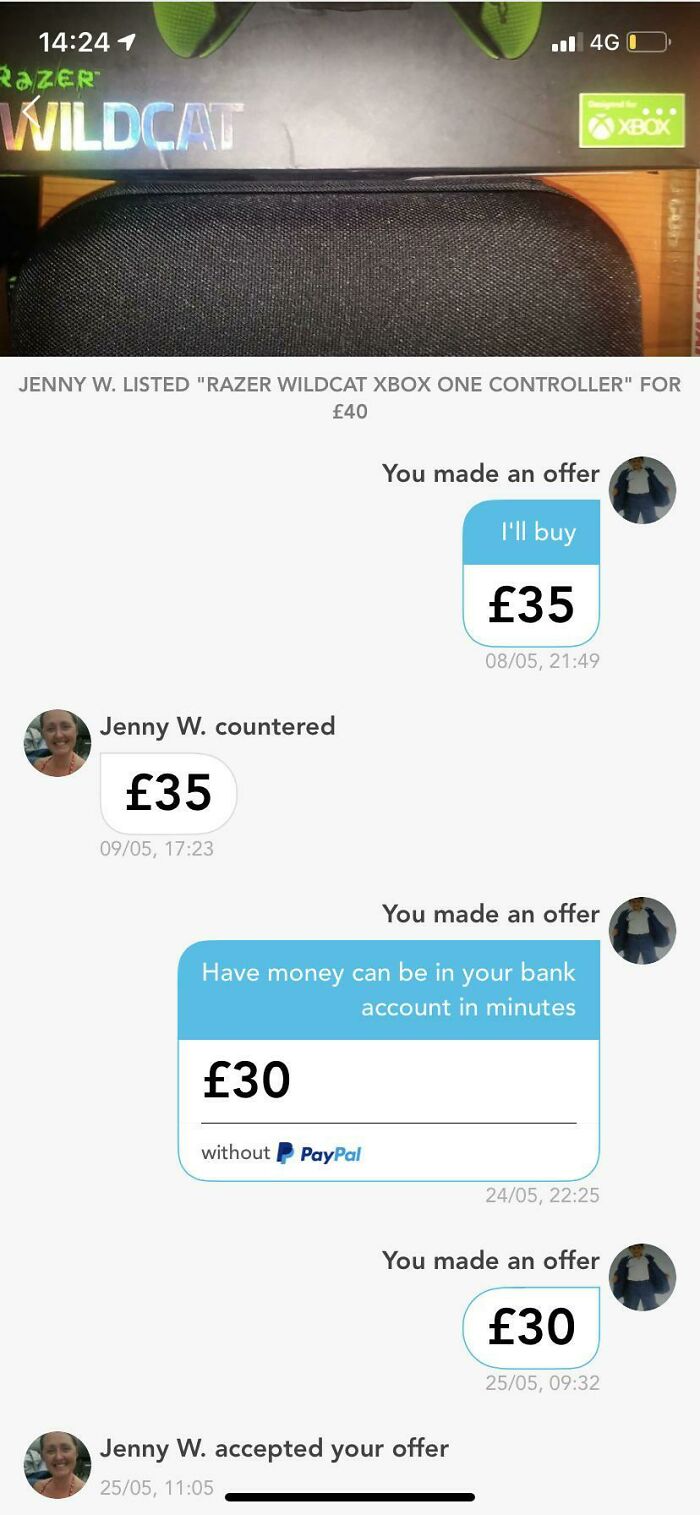
#70 Common Sense? What’s That?
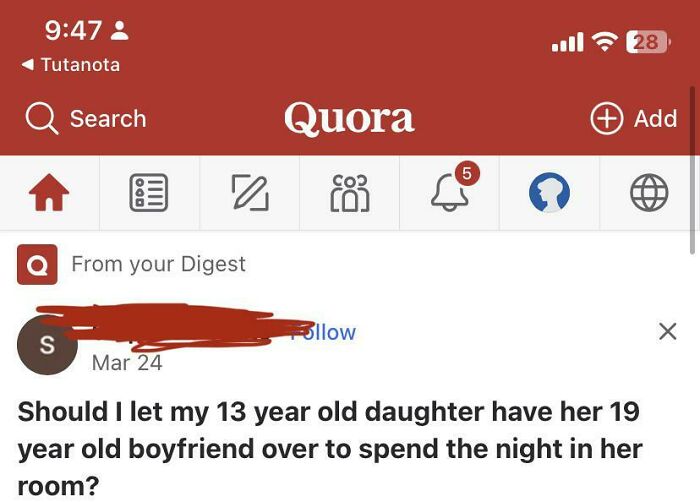
#71 I Feel Ill Thinking About What Might Have Been Going Through His Head
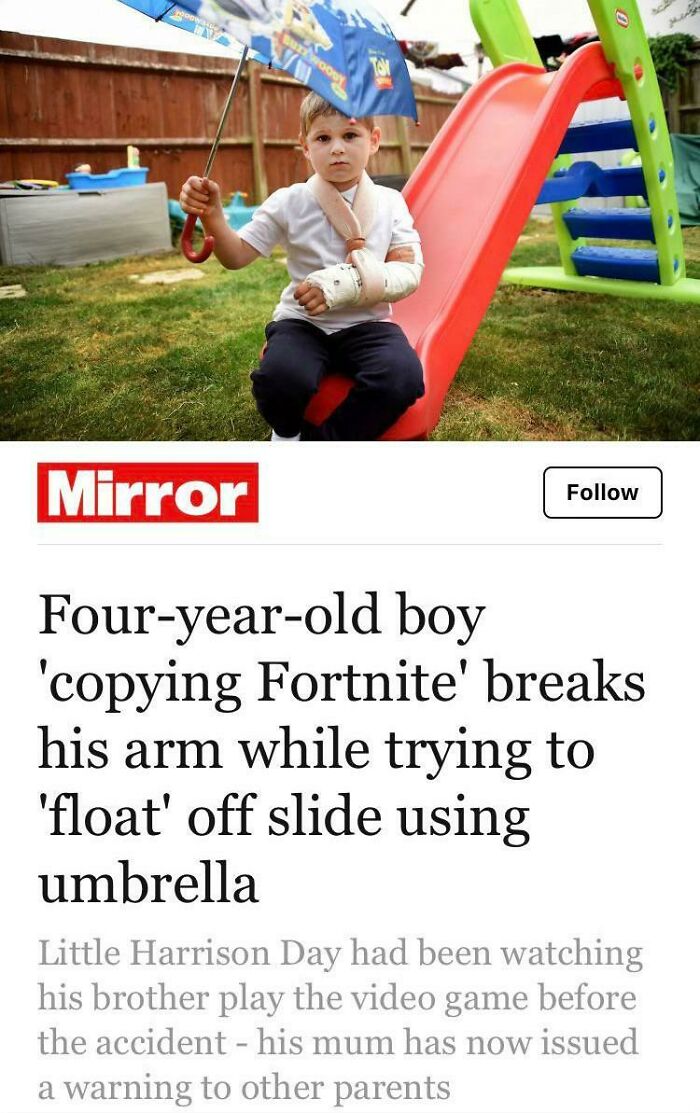
#72 Why
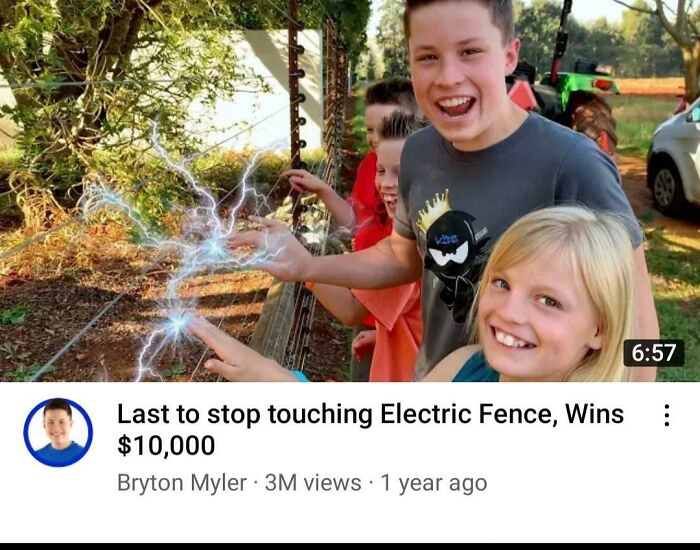
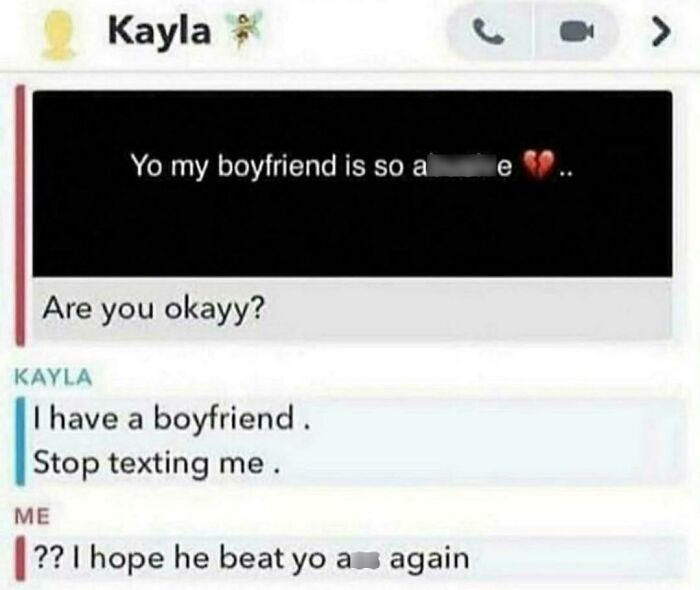
#73 What Was Kayla Even Aiming For Here??
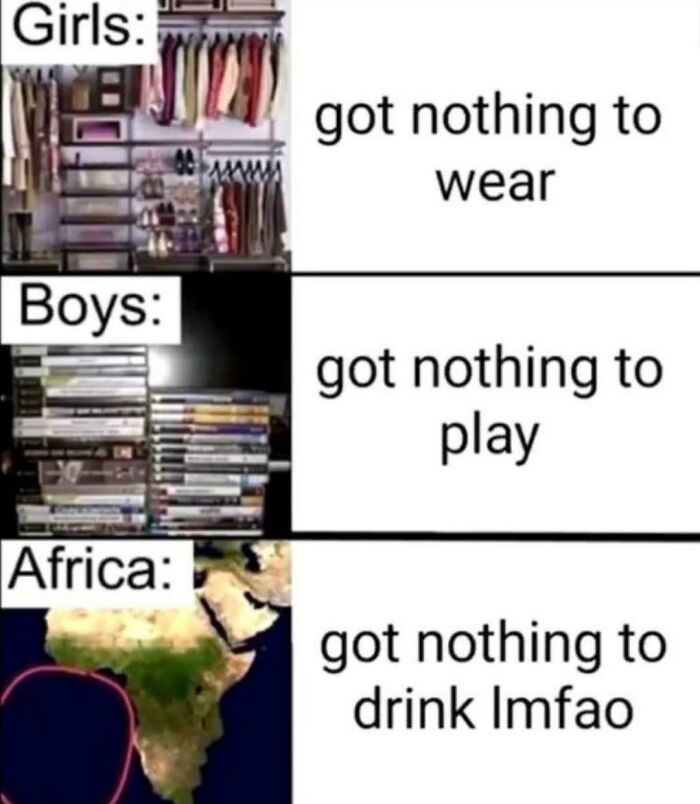
#74 Nooo Grandma

#75 "If Only I Could Find Something To Eat" As I Go Past All The Vegetables In My Fridge, Ignoring Them

|
I write things. Sometimes, people even read them...
|


As a 30-year-old, it seems that adulting has never been this hard before. And I'm not alone in feeling that way. A recent survey by Talker Researcher revealed that people are feeling burnt out earlier in their lives than ever before. Around 25% of people say they're burnt even before they've reached their 30s.
Although hitting 30 is not that bad, it comes with its own challenges and nuances. The page "30 and tired" puts a funny twist on the everyday struggles of young Millennials, really demonstrating why us 30-somethings are so tired. So, get ready to be called out and face some relatable memes, Pandas, as you scroll down these pics about what it really means to be in your 30s today.
Bored Panda got in touch with the creator of "30 and Tired", Tyler Mann. He kindly agreed to have a chat with us about what's new in the 30-something meme business. Read our conversation with him below!
More info: Instagram | TikTok | Facebook | YouTube
Click here & follow us for more lists, facts, and stories.
#1
© Photo: BigHomieTaps
#2
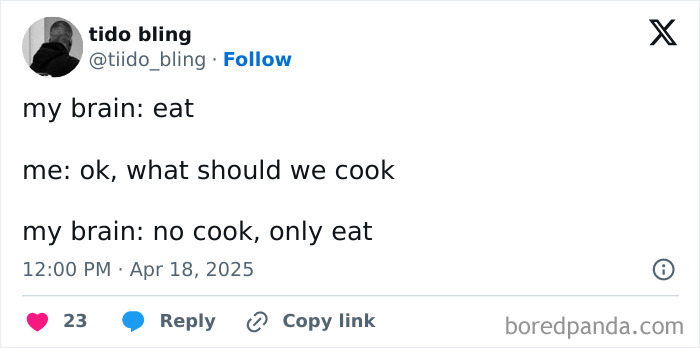
© Photo: tiido_bling
#3
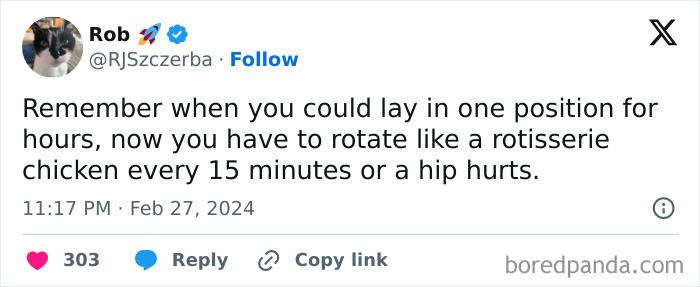
© Photo: RJSzczerba
Tyler thinks that "30 and Tired" at first really resonated with people because of the circumstances. "So many of us were at home just consuming content in 2020 because there wasn't much else to do," he says. "You see a lot of pages and content creators that got their start in 2020, and to me, looking back, it almost felt like the gold rush of social media."
However, there was a point where Tyler felt that the page became bigger than he expected. "Late 2023, early 2024 was a rough few months for my family," the creator shares. "I neglected the page a lot and could see the fall off of followers and engagement."
#4
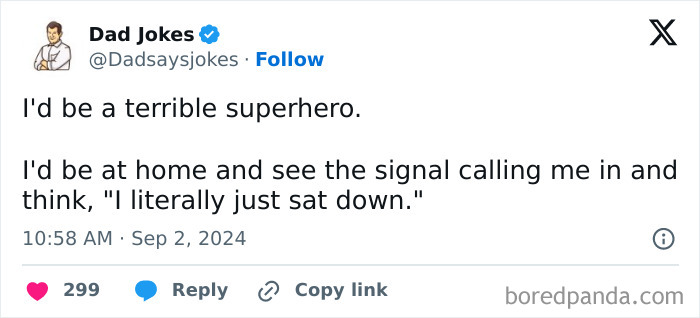
© Photo: Dadsaysjokes
#5
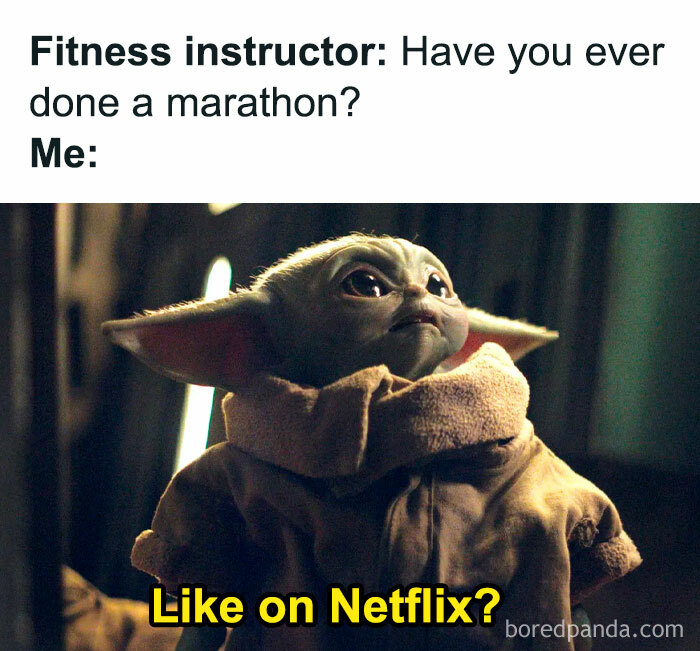
© Photo: 30.and.tired
#6
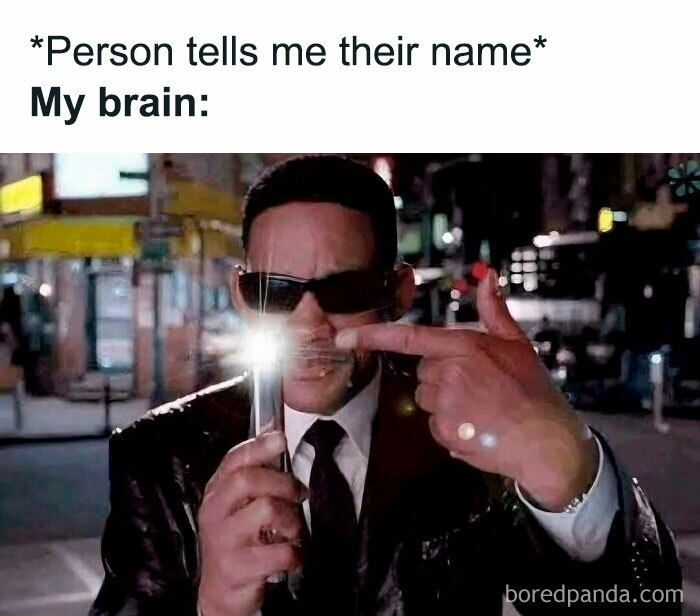
© Photo: 30.and.tired
"In April of 2024 though, I decided to really put the work in to turn the page around because at that point I had close to 400k followers and I really felt like I was letting those people down," Tyler admits. "So, I went all in with my page. Posting consistently, introducing videos, and engaging more than I ever had before and now I can see the results of it.
That's when Tyler started getting in front of the camera himself and making sketches. He says it was difficult at first since he wasn't used to being the center of attention. 'But I knew if I wanted to 'level up' my page, I had to do something a lot of meme pages haven't done, which is give it a face. "
#7
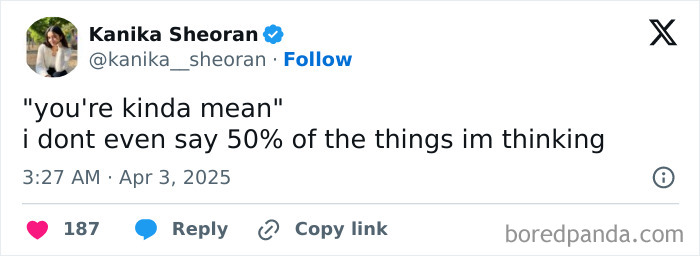
© Photo: kanika__sheoran
#8
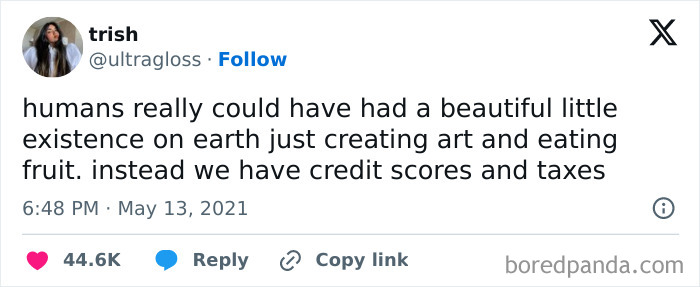
© Photo: ultragloss
#9
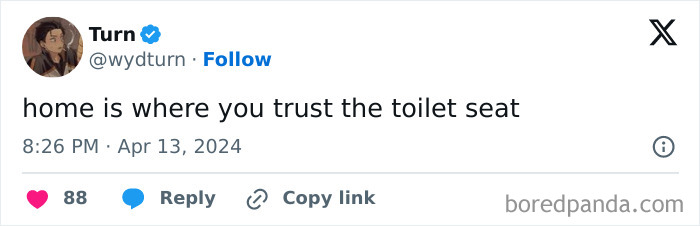
© Photo: wydturn
"Doing this has helped me realize that content creation is my passion and it's what I will be doing going forward," Tyler says. "Whether it's memes or funny relatable videos, it all gives me a chance to accomplish the one goal I had when starting, which is to make people laugh."
#10
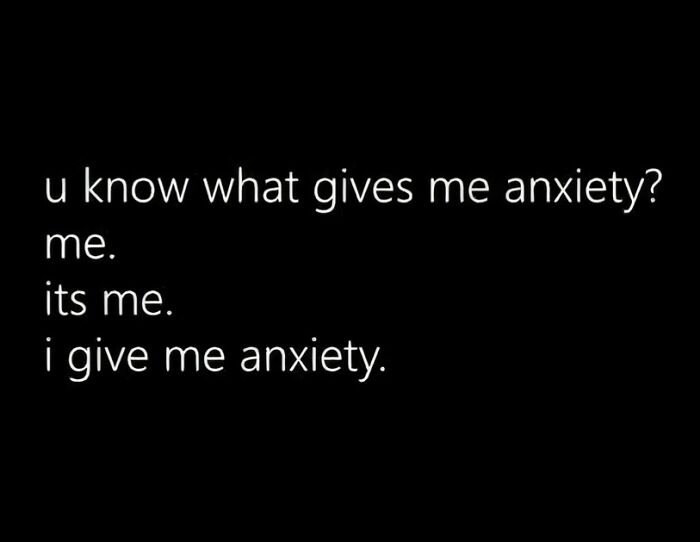
© Photo: 30.and.tired
#11
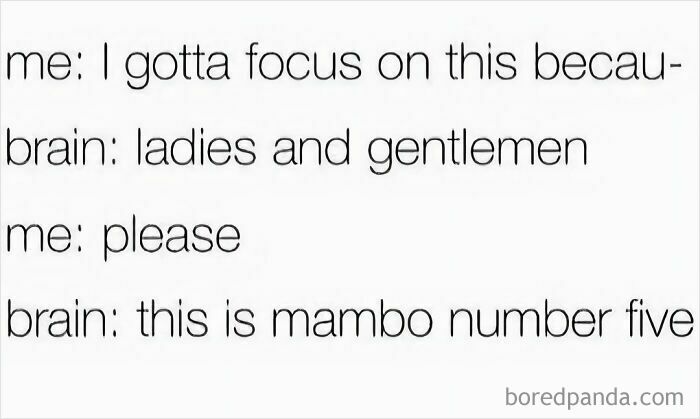
© Photo: 30.and.tired
#12
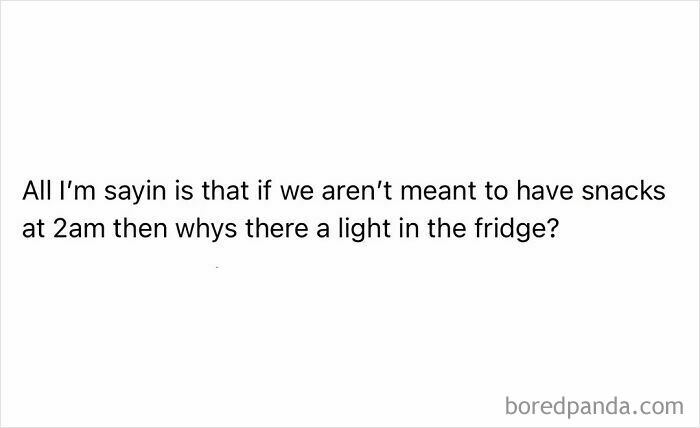
© Photo: 30.and.tired
They say that wisdom comes with age, so, we asked Tyler to share a nugget that he'd tell his own former self. "If I could tell my younger self anything, it would be to get out of my own way," he says. "The biggest obstacle you will have is yourself."
"Your fear of judgment, failure, and not being good enough, are all lies you will tell yourself to stay comfortable. Get uncomfortable and go for it dude, but be consistent and show up every day for your passion. Also, being weird is cool, so don't ever try to fit in," the creator adds.
#13
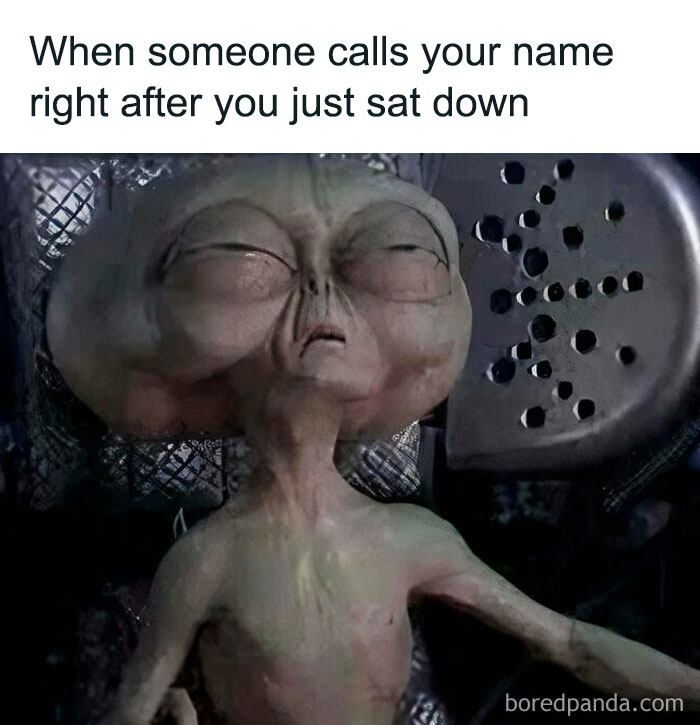
© Photo: 30.and.tired
#14
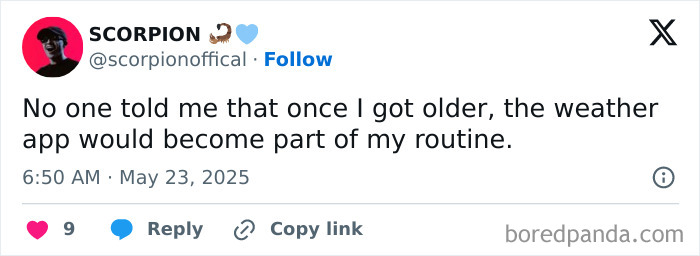
© Photo: User
#15
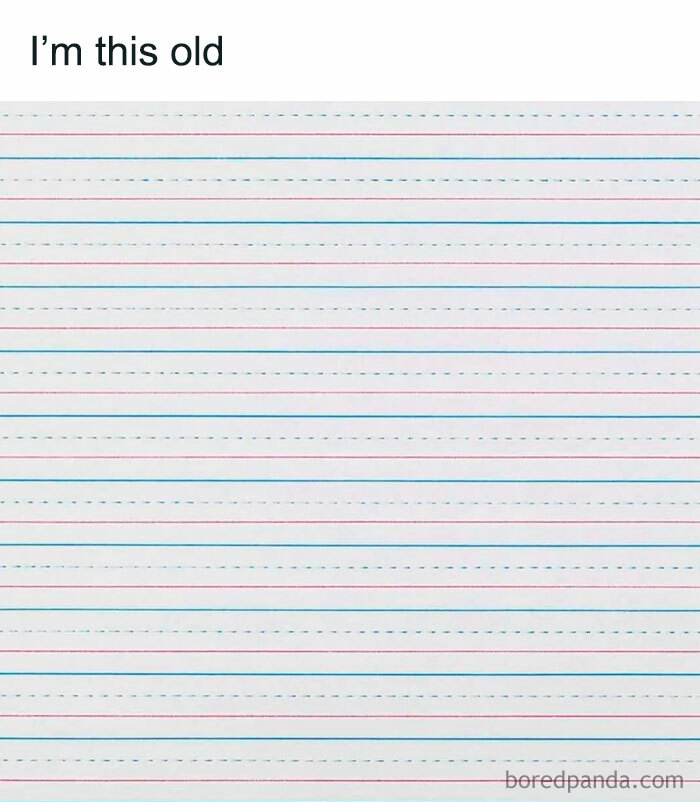
© Photo: 30.and.tired
Tyler is thankful to his followers across all social media platforms. "Whether you're a day one @30.and.tired follower or it's your first day following any of my pages, I appreciate all of you," he takes this chance to show them gratitude.
"You gave me the confidence I needed to discover my passion and to not be afraid of it. I will continue to show up for you all and hopefully make you laugh when you need it the most."
#16
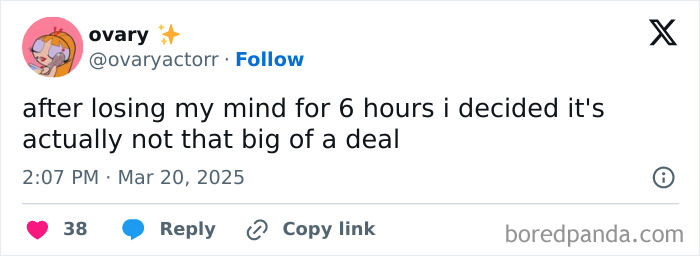
© Photo: User
#17
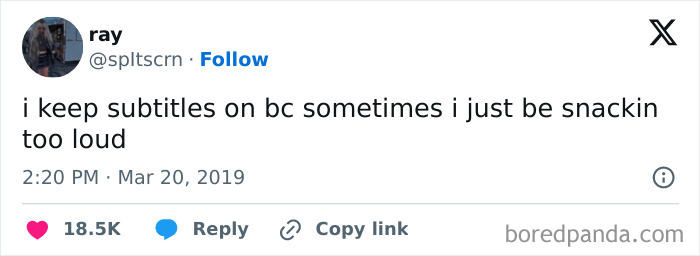
© Photo: User
#18
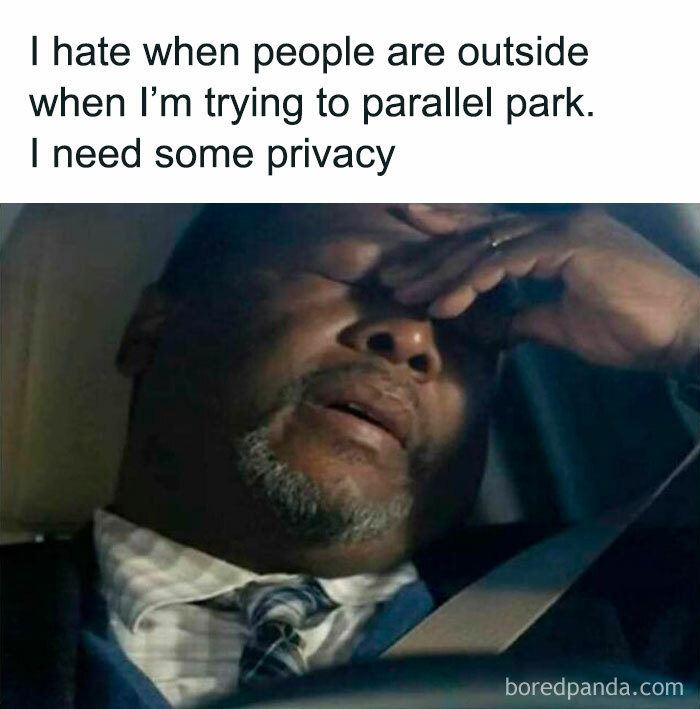
© Photo: 30.and.tired
While it's definitely true that all 30-somethings have similar existential conundrums, Millennials today really are having a harder time than the previous generations, especially in the U.S. For example, a 2021 study found that Millennials and Gen X aren't doing as well as Boomers did at the same age in terms of home ownership, debt, and retirement planning.
#19
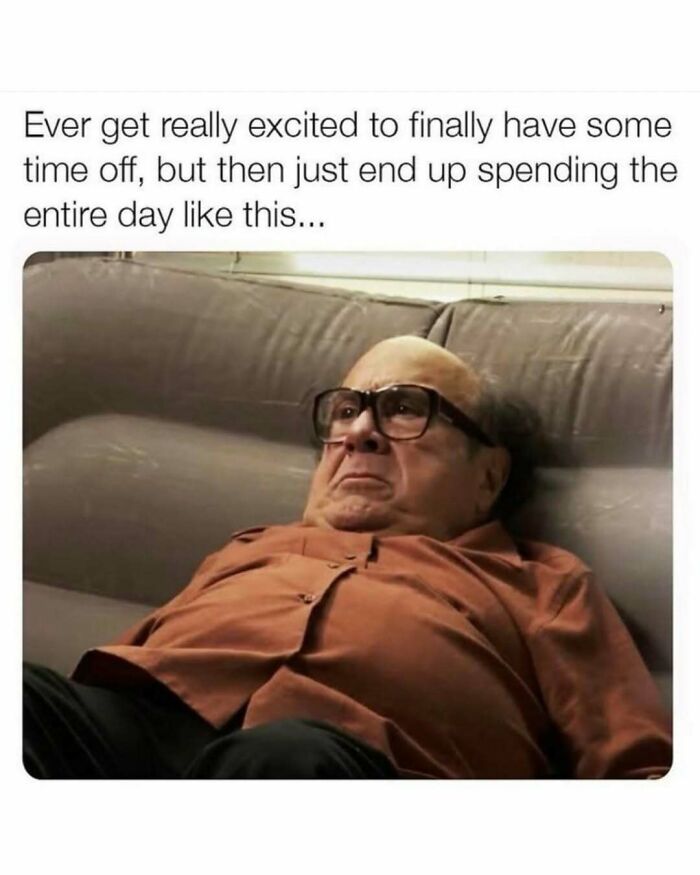
© Photo: 30.and.tired
#20
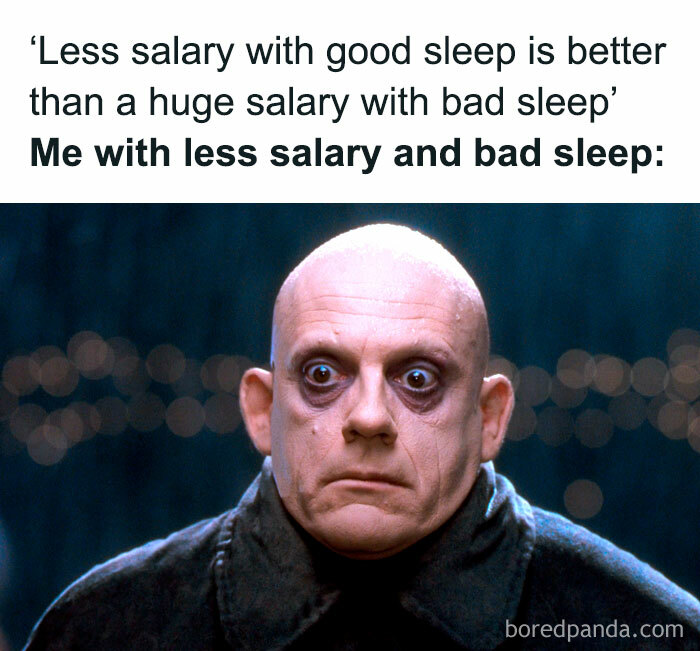
© Photo: 30.and.tired
#21
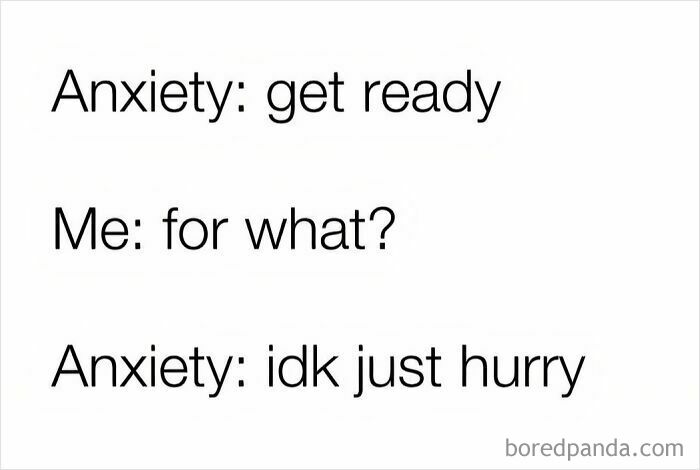
© Photo: 30.and.tired
Experts say that the most obvious contributing factor to Millennials struggling so much financially is student debt. Boomers, for example, owned homes or had retirement plans mid-career (ages 39 to 54). Gen X and Millennials weren't able to due to crippling student debt.
#22
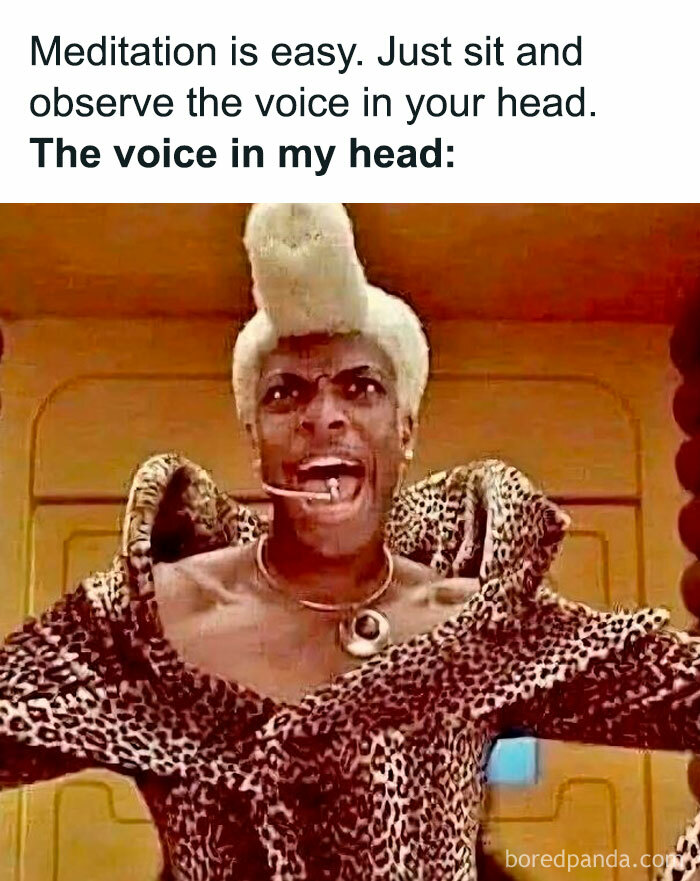
© Photo: 30.and.tired
#23
© Photo: 30.and.tired
#24
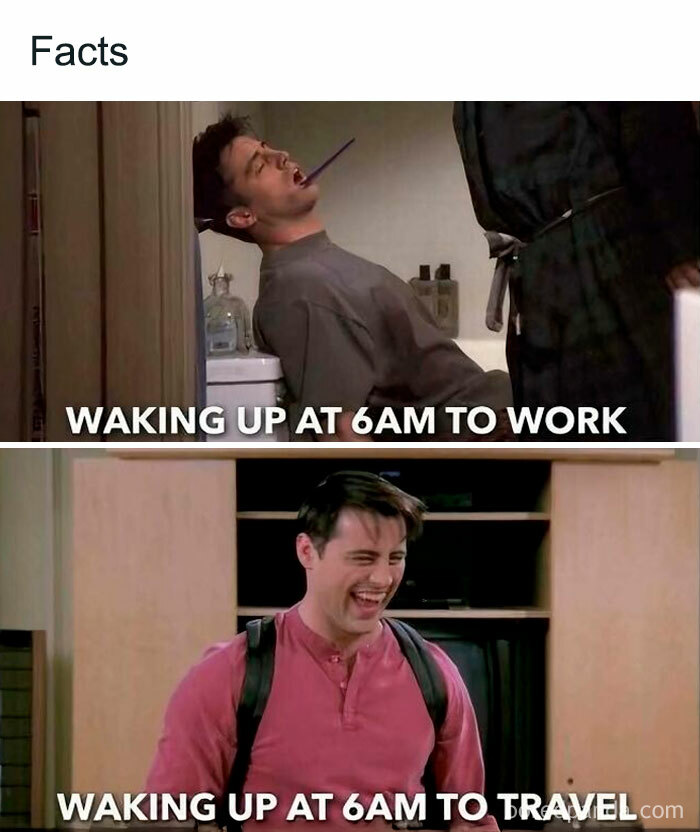
© Photo: 30.and.tired
But finances aren't the only area where people in their 30s are struggling. Our 30s is the time when we start digging deeper into ourselves and try to improve ourselves. Licensed psychotherapist Annie Wright, LMFT, points out that cracks in our emotional foundations start to show more once we're in our 30s and 40s.
#25
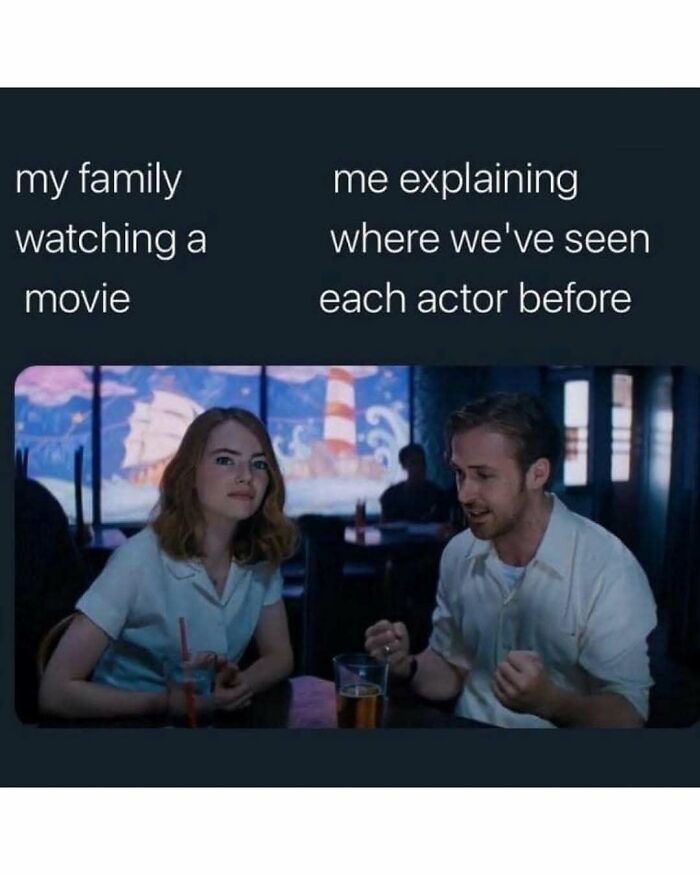
© Photo: 30.and.tired
#26
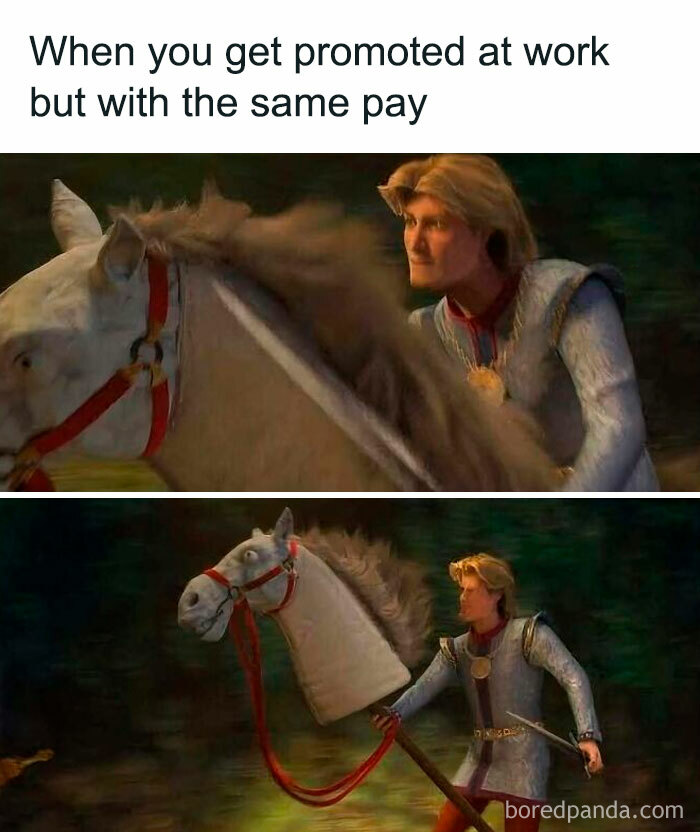
© Photo: 30.and.tired
#27
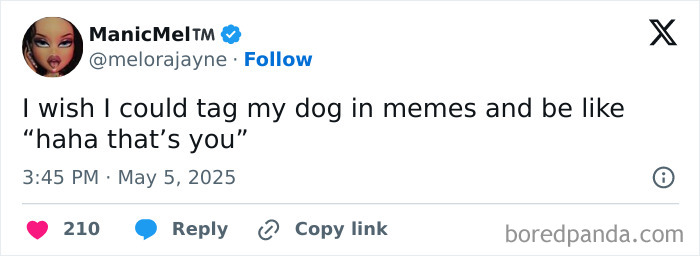
© Photo: melorajayne
People who might have a relational trauma background might have maladaptive behaviors regarding vulnerability, fear, or loneliness. Some might be unable to emotionally regulate themselves or express feelings in healthy ways. Others might struggle with anxious or avoidant attachment styles.
#28
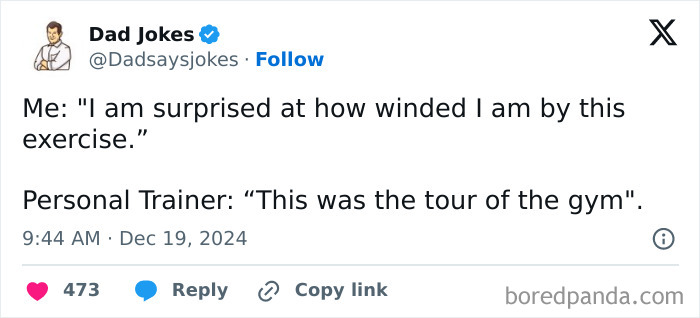
© Photo: Dadsaysjokes
#29
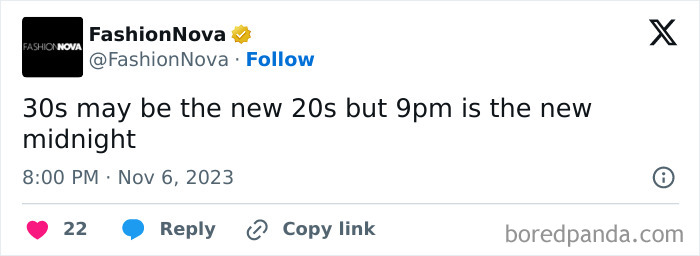
© Photo: FashionNova
#30
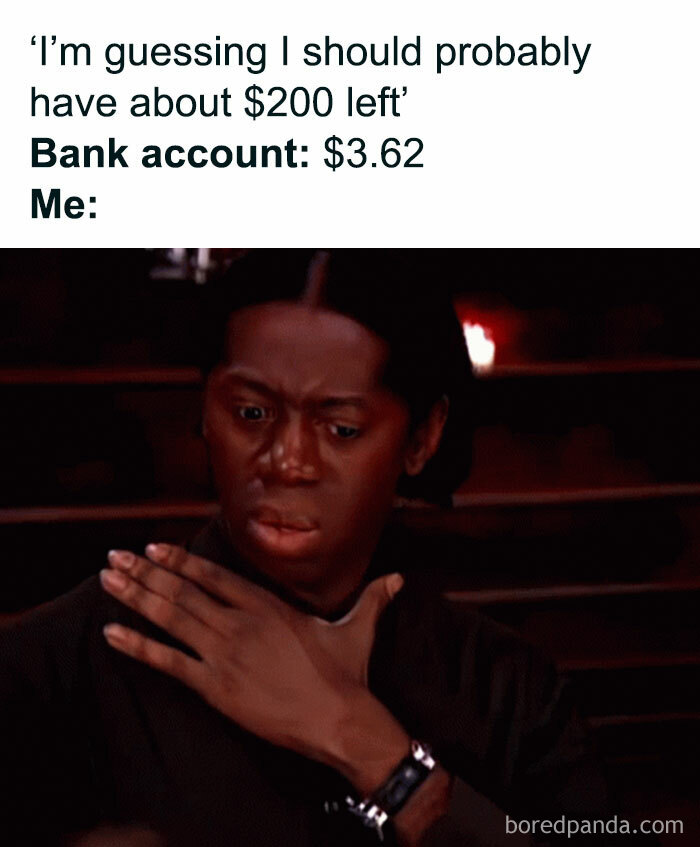
© Photo: 30.and.tired
Our 30s can be a tiring and challenging time. But it's also the period when we're not so much concerned with what others think of us and we start making life choices for ourselves and ourselves only. So, fellow 30-somethings, pick up that hobby you've been dreaming about since childhood, heal your inner child, and check out our previous posts about "30 and Tired" here and here!
#31
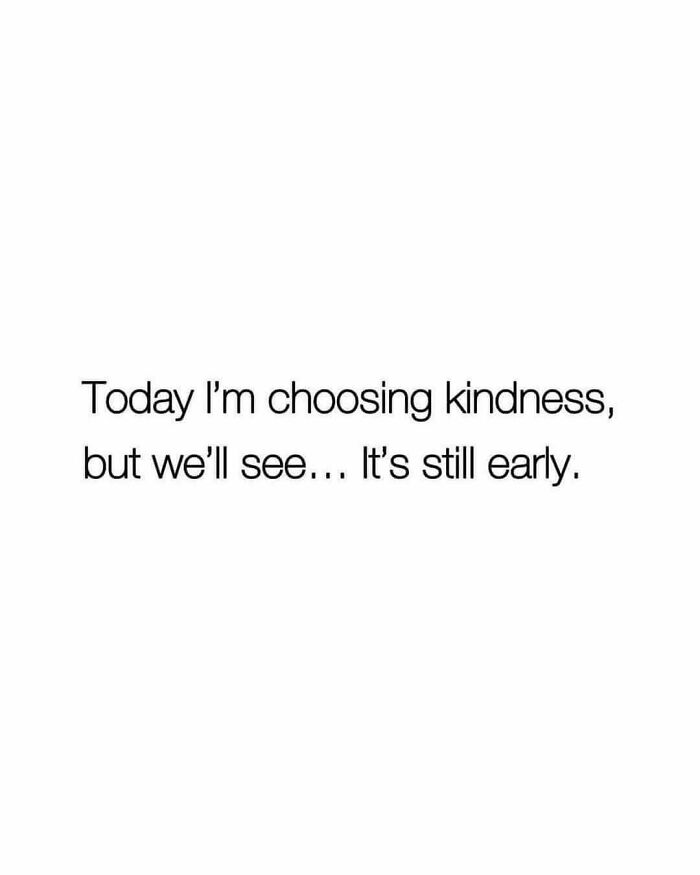
© Photo: 30.and.tired
#32
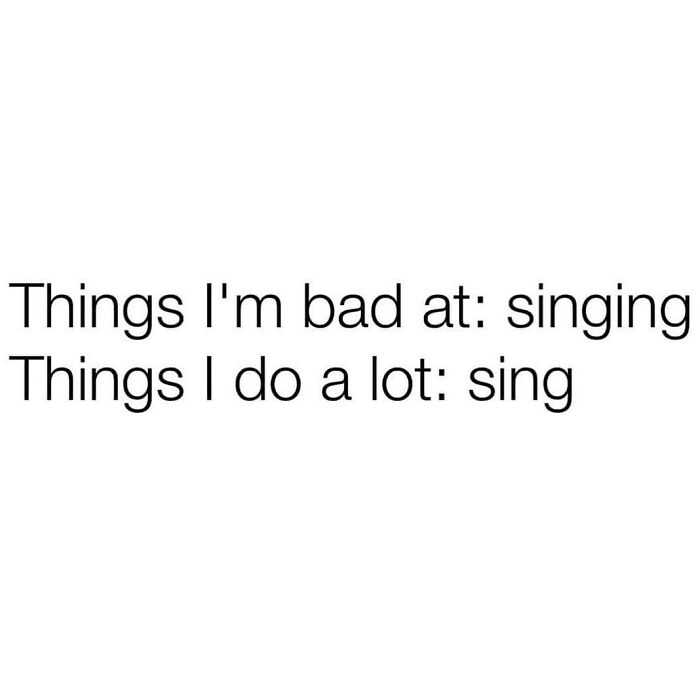
© Photo: 30.and.tired
#33

© Photo: 97Vercetti
#34
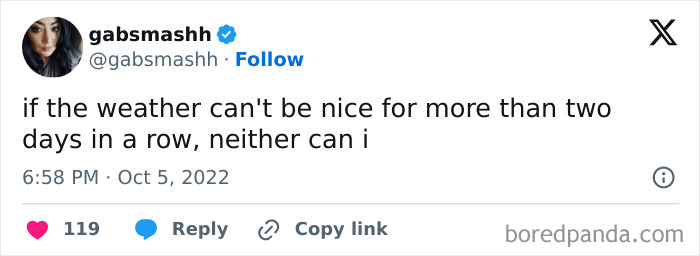
© Photo: gabsmashh
#35
© Photo: 30.and.tired
#36
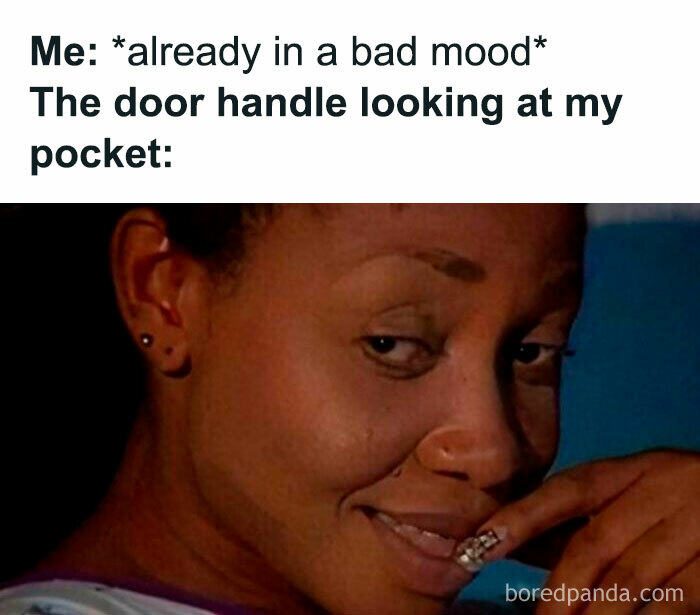
© Photo: 30.and.tired
#37
© Photo: Abbietrends
#38
© Photo: 30.and.tired
#39
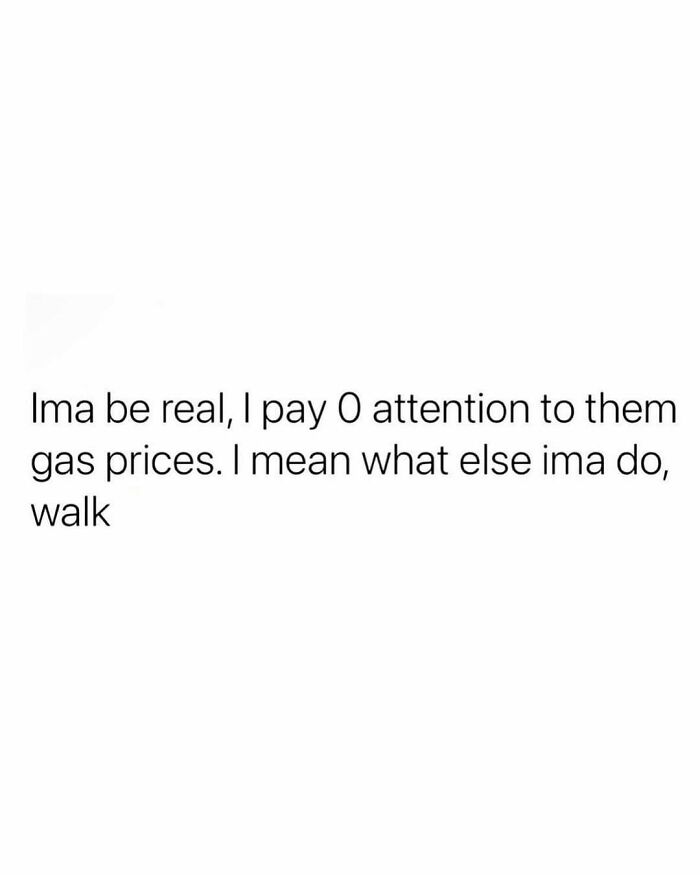
© Photo: 30.and.tired
#40
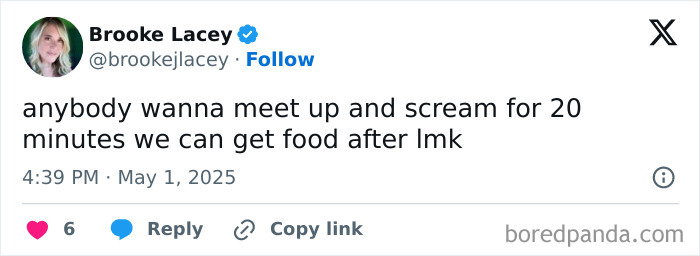
© Photo: brookejlacey
#41
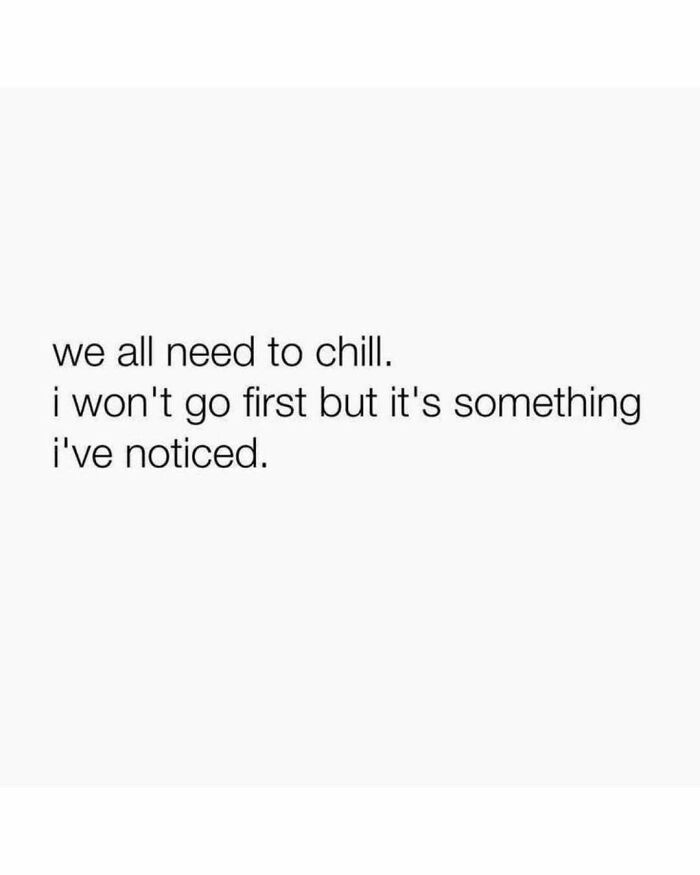
© Photo: 30.and.tired
#42
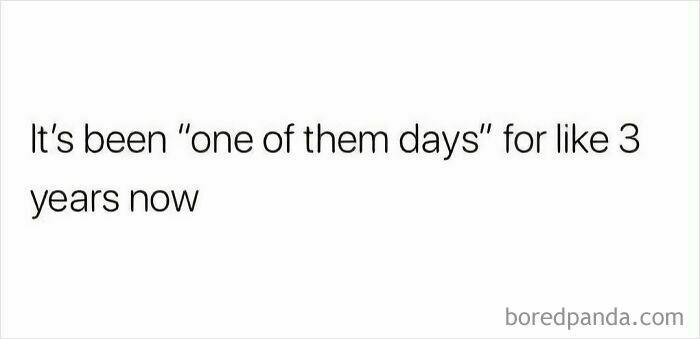
© Photo: 30.and.tired
#43
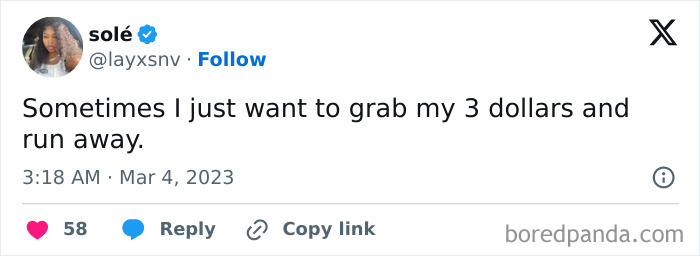
© Photo: layxsnv
#44
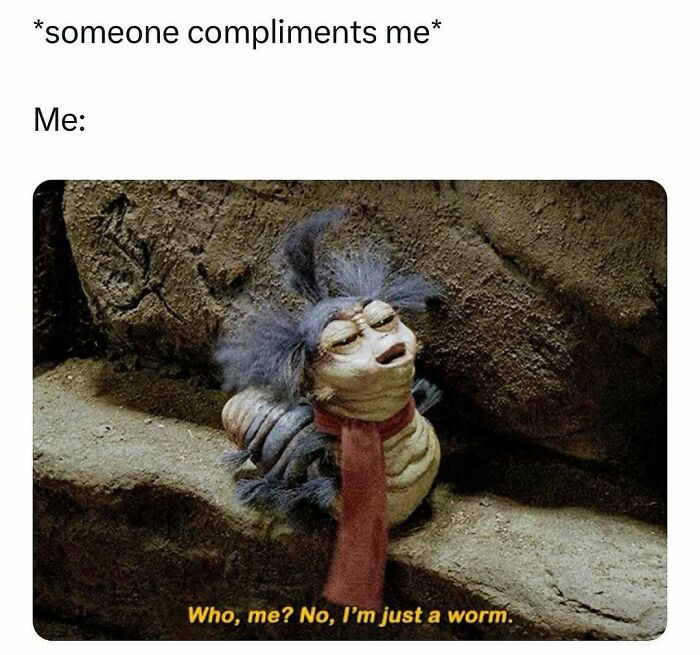
© Photo: 30.and.tired
#45

© Photo: 30.and.tired
#46
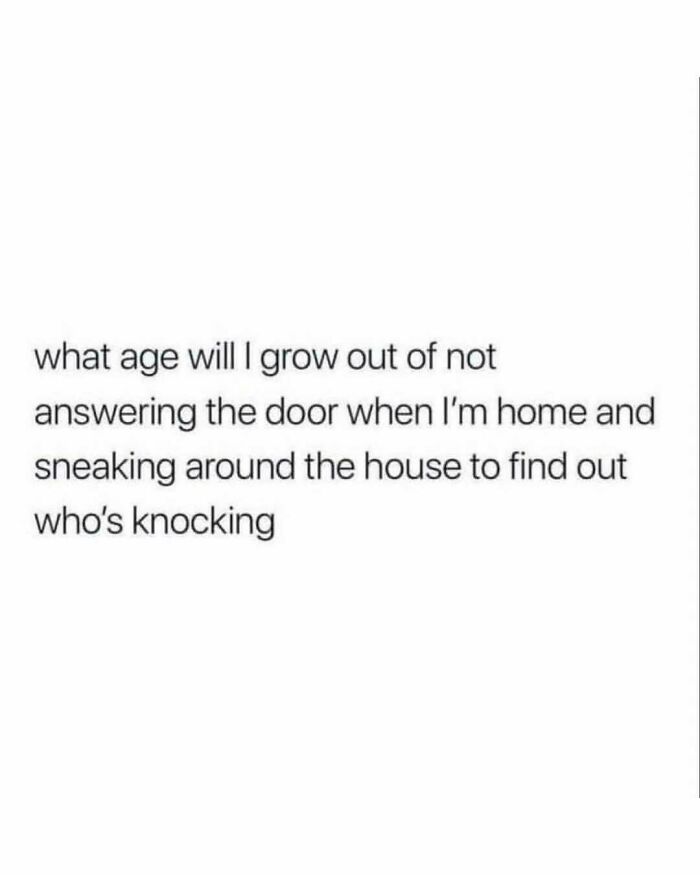
© Photo: 30.and.tired
#47
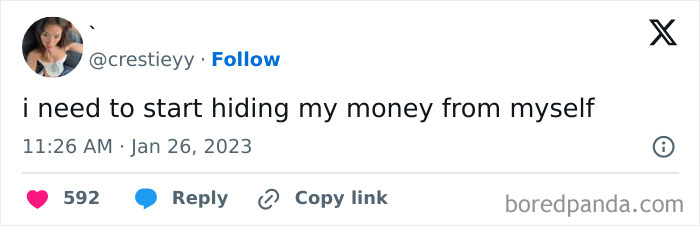
© Photo: crestieyy
#48
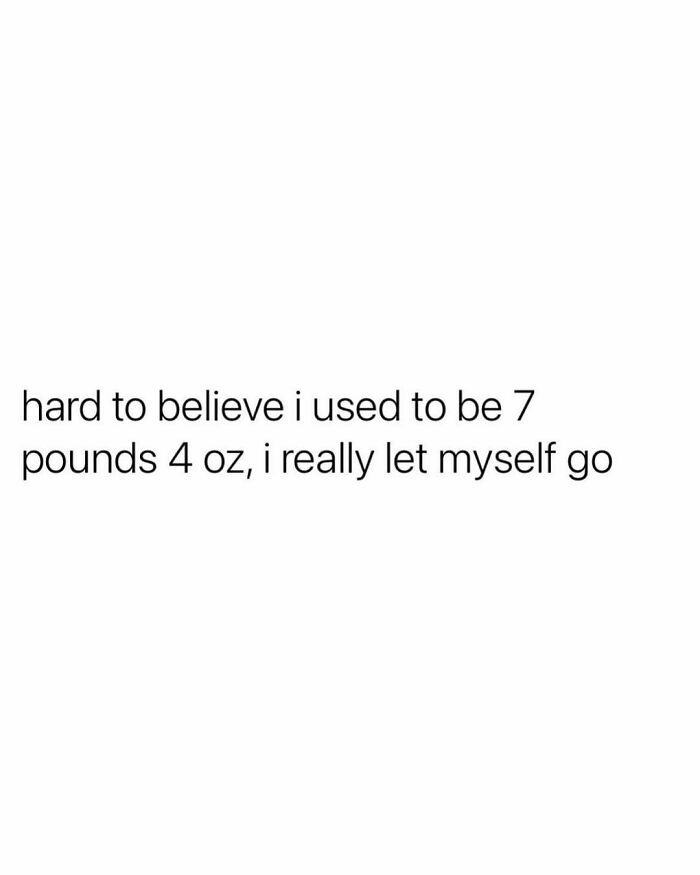
© Photo: 30.and.tired
#49
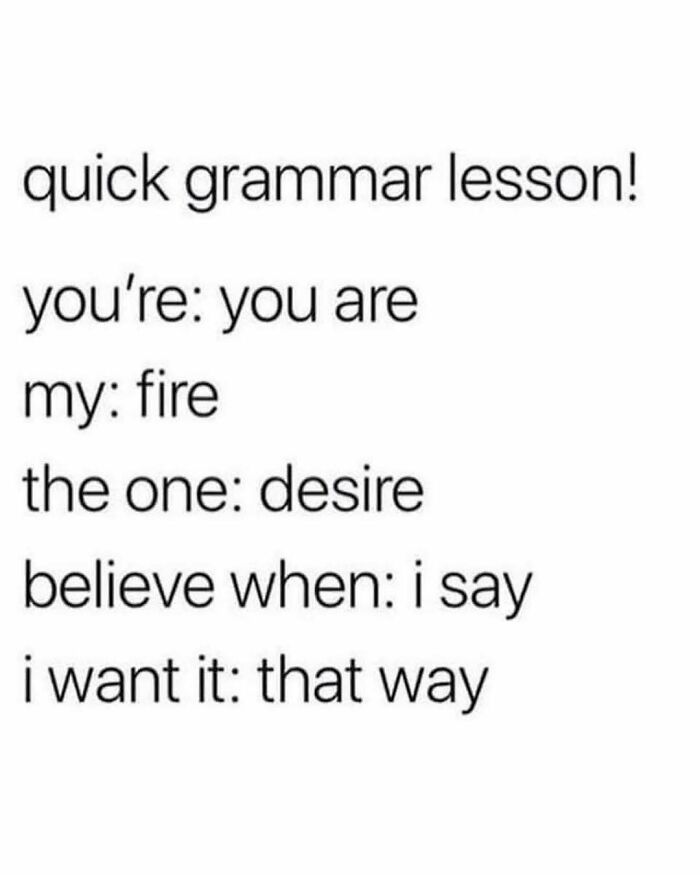
© Photo: 30.and.tired
You might also like: 43 absurdly funny memes shared online that make little sense


From intergalactic fame to big Internet name, George Takei has become a crusader against hate on social media - and resistance is futile.
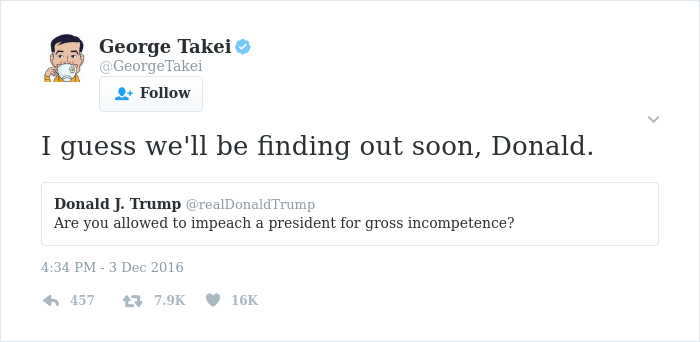
While George carved out most of his legacy as Hikaru Sulu in the original Star Trek series, he's found a new life at 79 years-old as one of the most 'liked' people on Facebook, with over 10 million fans hanging off his every post. He's supremely witty, and is never short on scathing comebacks when Internet trolls attack.
George is also an outspoken advocate for LGBTQ rights and racial equality. As both a gay man and a Japanese-American growing up during World War II, he's seen his fair share of discrimination, and he fights against it fiercely. He recently launched a Care2 petition asking people to stand up for Muslims in the US aimed at the incoming president, Donald Trump, and is less than 3000 supporters away from achieving his goal of 160,000.
Live long and prosper, George! (h/t)
More info: Facebook, Twitter
Click here & follow us for more lists, facts, and stories.
#1

© Photo: George Takei
#2

© Photo: George Takei
#3

© Photo: George Takei
#4

© Photo: jareddimples
#5

© Photo: George Takei
#6

© Photo: George Takei
#7

© Photo: George Takei
#8

© Photo: User
#9

© Photo: George Takei
#10

© Photo: User
#11

© Photo: User
#12

© Photo: George Takei
#13

© Photo: George Takei
#14

© Photo: George Takei
#15

© Photo: George Takei
#16

© Photo: anavrodriguez
#17

© Photo: ryanoconn
#18

© Photo: George Takei
#19

© Photo: YoungSilvaa
#20

© Photo: George Takei
You might also like: 16 Times People Actually Got Revenge On Their Childhood Bullies And It Was Sweet Like Honey